2026 Best Injection Molding Techniques and Innovations to Watch Out For?
Injection Molding is a pivotal process in modern manufacturing. As we look toward 2026, the landscape is evolving rapidly. Industry leaders are exploring innovative techniques that enhance efficiency and product quality.
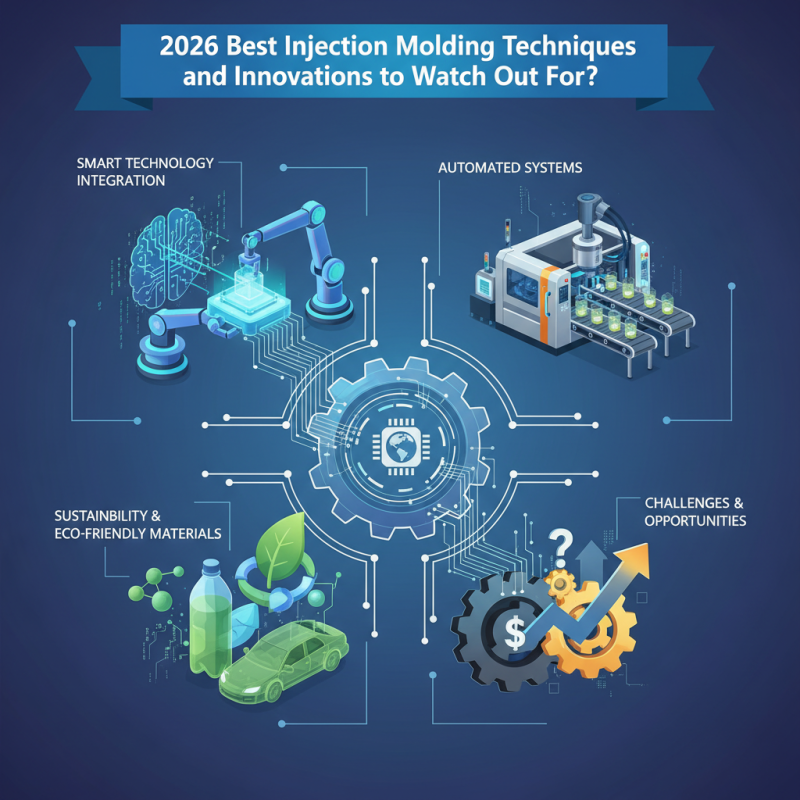
This year, notable advancements include the integration of smart technology. These innovations promise to reduce waste and streamline production cycles. Automated systems are becoming more common, reshaping the way we think about Injection Molding. Yet, challenges remain. Many organizations struggle to adopt these technologies fully.
Sustainability is another key talking point. As environmental concerns grow, companies are seeking eco-friendly materials for Injection Molding. However, the transition is far from seamless. Balancing cost and sustainability continues to pose a significant dilemma. The road ahead is filled with both excitement and uncertainty. Staying informed will be crucial for manufacturers navigating this evolving field.
Emerging Trends in Injection Molding for 2026
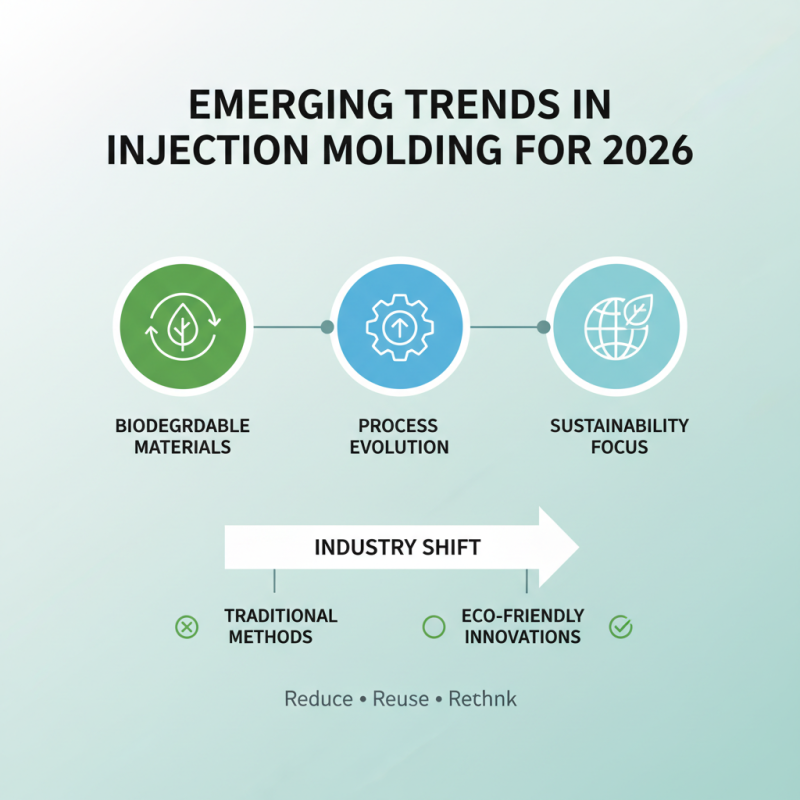
In 2026, the injection molding industry is poised for significant innovation and evolution. One notable trend is the increasing use of biodegradable materials. As sustainability becomes paramount, manufacturers are exploring eco-friendly options. This shift encourages companies to rethink traditional processes, which may require exploration and adjustment.
Another trend to watch is the digitization of the injection molding process. Smart technologies are being integrated into manufacturing lines to enhance efficiency. Sensors and data analytics can optimize production in real time. However, the reliance on technology necessitates continuous training of personnel to ensure effective adaptation.
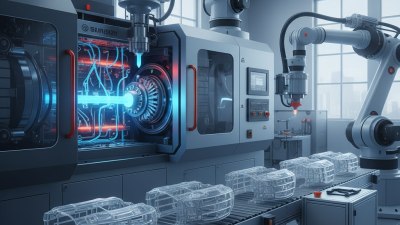
Lastly, automation is transforming the landscape of injection molding. Collaborative robots, or cobots, are being introduced to assist human workers. There’s potential for improved precision and reduced labor costs. Nevertheless, this also raises concerns about job displacement, signaling a critical area for ongoing discussion and refinement. Addressing these challenges will be essential for the industry's growth and sustainability.
Key Innovations in Materials for Injection Molding Techniques
The injection molding industry is seeing significant innovations, particularly in materials. According to a recent industry report, the market for advanced polymers is anticipated to grow at a CAGR of 6.2% from 2021 to 2026. This rise is driven by the demand for lightweight, durable materials in automotive and consumer goods.
Recyclable materials are gaining traction. Bio-based polymers, such as PLA (polylactic acid), are becoming popular due to their sustainable properties. In 2022, studies indicated that more than 20% of new materials used in injection molding were bio-based. These materials not only reduce environmental impact but also meet consumer preferences for sustainability.
Moreover, high-performance thermoplastics are emerging, particularly for aerospace and medical applications. They offer excellent strength and heat resistance. An industry survey revealed that 48% of manufacturers plan to invest in advanced thermoplastics by 2025. However, the challenge lies in the cost and processing complexities of these materials. Many companies struggle with scaling production to meet demand effectively. As the industry evolves, balancing performance, cost, and sustainability will be crucial for future innovations.
2026 Best Injection Molding Techniques and Innovations to Watch Out For
| Technique/Innovation |
Description |
Material Used |
Benefits |
| 3D Injection Molding |
Combines traditional injection molding with 3D printing for complex parts. |
Thermoplastics, composite materials |
Reduced production time and complexity of designs. |
| Biodegradable Polymers |
Sustainable materials that decompose in the environment. |
PLA, PHA, starch-based materials |
Environmentally friendly, reduces waste. |
| Multi-Material Injection Molding |
Incorporates multiple materials into a single part for diverse properties. |
Different polymer combinations |
Enhanced functionality and aesthetics. |
| Smart Injection Molding |
Utilizes IoT and AI for process optimization and predictive maintenance. |
Standard plastics |
Improved efficiency and reduced downtime. |
| Micro Injection Molding |
Used for tiny components often found in electronics and medical devices. |
Engineering-grade polymers |
High precision and detail in small parts. |
Automation and Robotics: Revolutionizing Injection Molding Processes
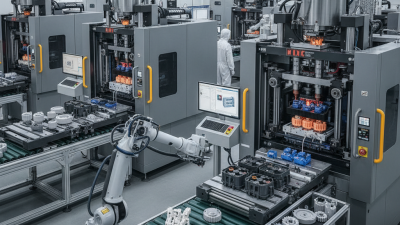
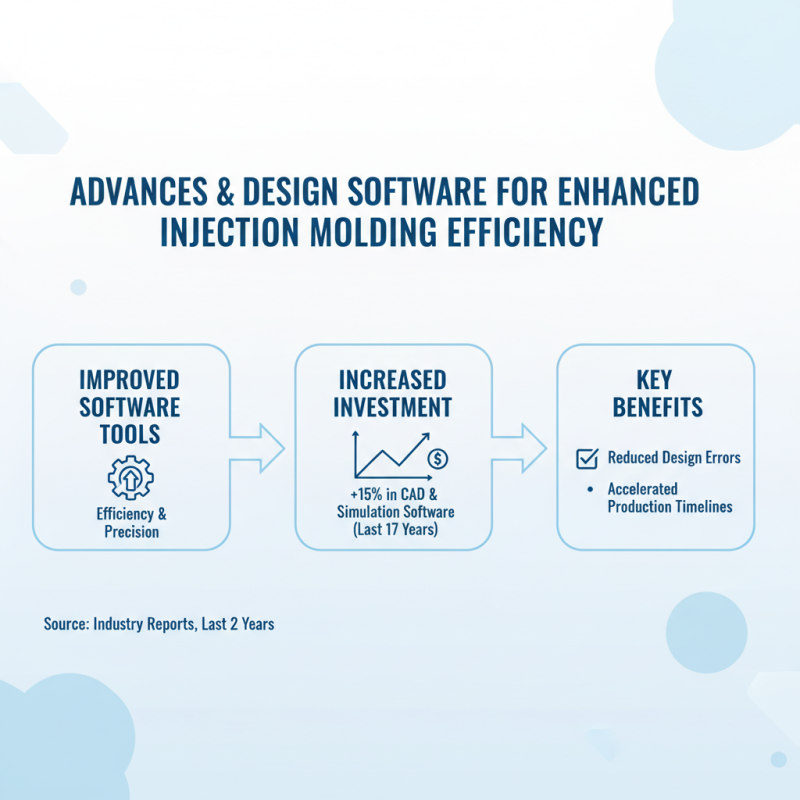
Automation and robotics are transforming the landscape of injection molding. These technologies enhance efficiency and precision. Companies are now adopting smart machines to streamline processes. This shift allows for better resource management and quicker production times.
Consider integrating robotic arms into your workflows. They can handle repetitive tasks, reducing human error. Set up regular maintenance schedules. This helps avoid breakdowns and costly downtimes. Not every automation solution fits all. Assess your specific needs before investing.
New innovations also include AI-driven monitoring systems. These systems analyze production data in real-time. This enables manufacturers to identify issues early. Understanding these technologies deeply can drive significant improvements. Yet, it's crucial to keep an eye on potential complexities. Training staff adequately is essential for seamless adoption. Automation brings great benefits but requires careful management.
Sustainability in Injection Molding: Techniques to Reduce Environmental Impact
Sustainability in injection molding is becoming a crucial focus area. Many manufacturers are exploring ways to minimize environmental impact. One innovative approach is using bio-based materials. These materials, derived from renewable resources, can significantly reduce reliance on fossil fuels. They offer a viable alternative for traditional plastics.
Another strategy involves optimizing production processes. Techniques such as energy-efficient machinery and waste reduction methods help lower carbon footprints. For instance, closed-loop systems can recycle scrap material. This reduces waste and promotes sustainability within the production cycle. However, these systems require careful planning and investment.
Despite these advancements, challenges remain. Not all sustainable materials perform equally. Some might compromise product strength or durability. Engineers must balance sustainability with functionality. Continuous innovation is essential. The industry must remain open to new ideas and improvements. Sustainability in injection molding is a journey, not a destination. Ongoing dialogue and development are critical for future success.