10 Best Custom Automotive Plastic Injection Molding Techniques?
Custom Automotive Plastic Injection Molding is a crucial process in today’s automotive industry. It offers precise, efficient, and flexible solutions for creating high-quality plastic components. As vehicles become more advanced, the demand for customized plastic parts grows. Manufacturers are turning to innovative molding techniques to stay competitive.
Many techniques are available, but not all are equally effective. It can be challenging to choose the right method. Some approaches may lead to inefficiencies or waste. Careful consideration of material properties and design complexity is essential. There are techniques that work well but may not suit every application.
Exploring these custom molding techniques reveals the balance between cost and quality. Each method has its strengths and weaknesses. For companies involved in automotive design and manufacturing, understanding these details is vital. The right choice can enhance product performance and reduce time-to-market.
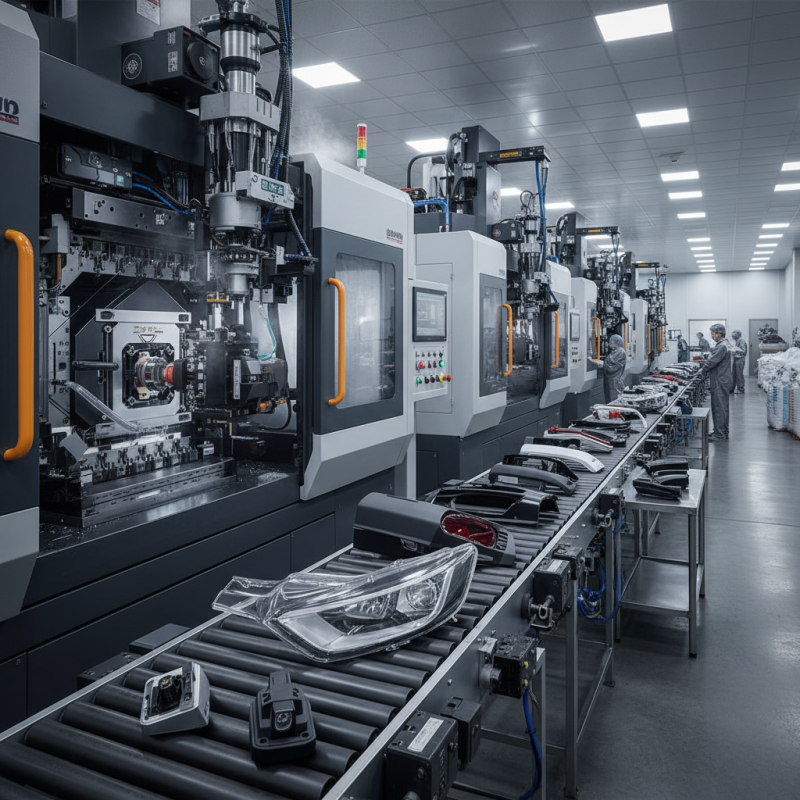
Overview of Automotive Plastic Injection Molding Techniques
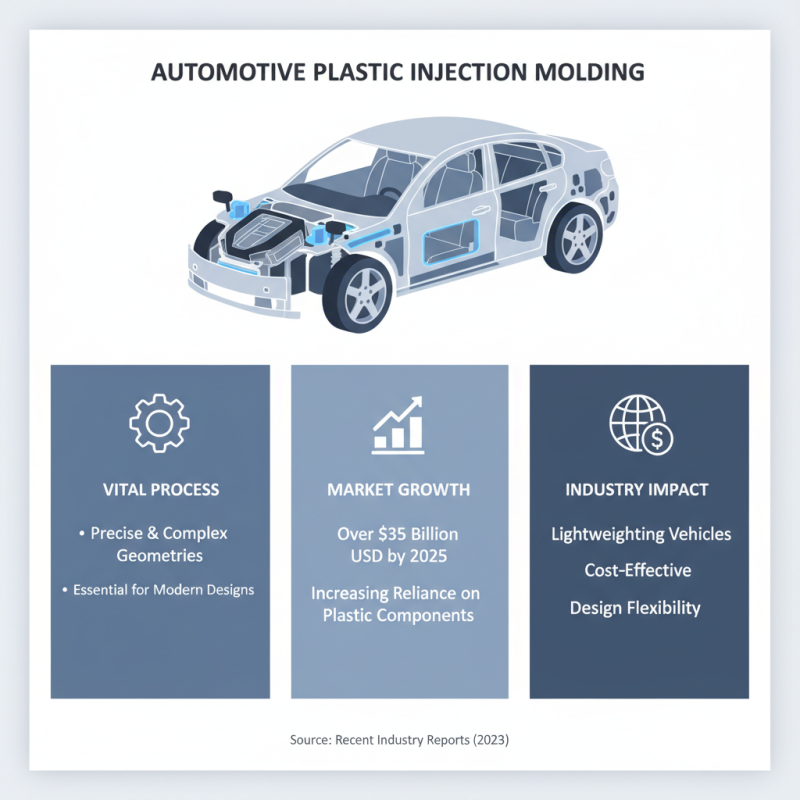
Automotive plastic injection molding is a vital process in vehicle manufacturing. It allows for precise and complex geometries, which are essential in modern automotive designs. According to recent industry reports, the global automotive plastic injection molding market is expected to grow significantly, reaching over 35 billion USD by 2025. This growth illustrates the increasing reliance on plastic components in the industry.
Numerous techniques are employed in automotive plastic injection molding. These techniques include rotational molding, compression molding, and two-shot molding. Each method serves a unique purpose and often overlaps in applications. For example, two-shot molding allows the creation of multi-material parts in a single process. This can reduce assembly time and improve part integrity. However, transitioning between techniques is not without challenges. Understanding each process's nuances is crucial for optimizing production.
Tips: Always assess the benefits of each molding technique against production needs. Not all products require advanced processes, sometimes simple methods save time and costs. Also, consider potential waste in each method. Reducing scrap material should be a priority. Each technique has its strengths, but compromises are often necessary. Balancing quality and cost is an ongoing challenge in automotive manufacturing.
Key Factors Influencing Custom Injection Molding for Automotives
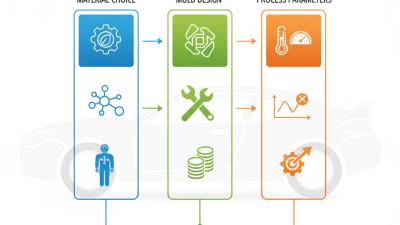
Custom injection molding for automotive applications involves various key factors that can significantly influence the outcome. One crucial aspect is material selection. Different plastics exhibit unique properties. Choosing the right material can enhance durability, flexibility, and resistance to temperature. Engineers often face challenges in matching these materials to specific automotive requirements.
Another important factor is the design of the mold itself. A well-designed mold can facilitate efficient production and minimize defects. It's essential to consider cooling channels and ejection features during the design phase. Mistakes or oversights here can lead to defects. Balancing complexity and manufacturability is often a tricky endeavor.
Finally, process parameters play a vital role. Parameters such as temperature, pressure, and cycle time must be optimized. Each of these can dramatically affect the final product. Unexpected fluctuations can result in dimensional inaccuracies or surface imperfections. Continuous monitoring and adjustment are necessary for consistency in large-scale production.
Step-by-Step Process of Plastic Injection Molding in Automotive
Plastic injection molding has become a cornerstone in the automotive industry, allowing for the production of precise and complex parts. The process begins with the creation of a mold, typically made from steel or aluminum, which holds the shape of the desired component. Industry studies indicate that over 70% of automotive parts are now manufactured using this technique. The rapid turnaround time, often within a week, highlights its efficiency in mass production.
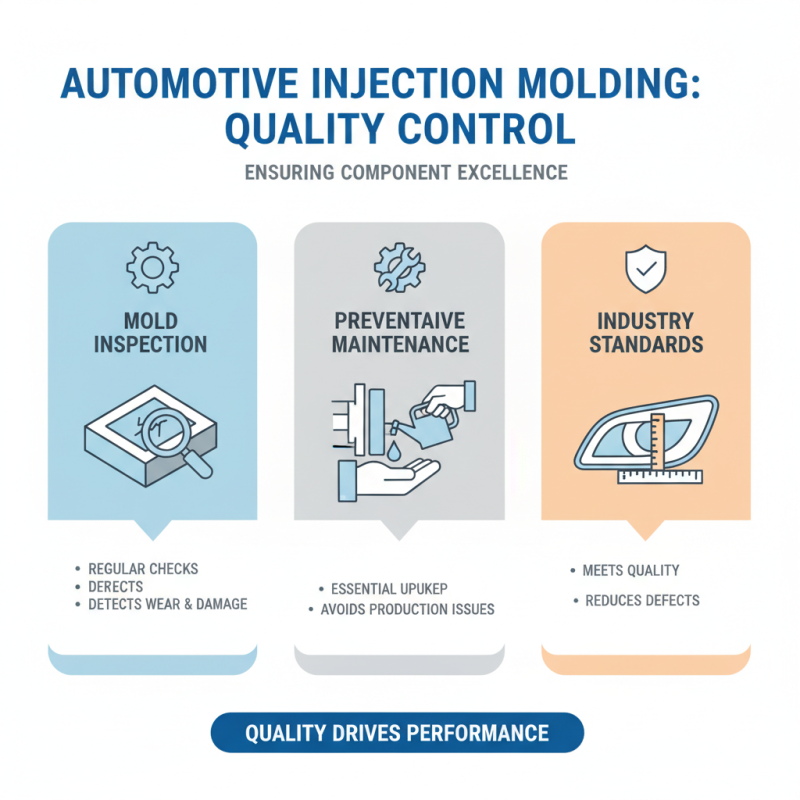
Once the mold is ready, thermoplastic materials are heated until they become viscous. The molten plastic is then injected into the mold under high pressure. This ensures that every detail of the mold is captured accurately. Cooling follows, solidifying the material into its final shape. Reports show that this method can reduce waste by up to 50%, making it an environmentally preferable choice. However, while the precision is remarkable, it demands constant monitoring to ensure quality. Minor defects can lead to major recalls, emphasizing the need for rigorous quality control.
After the parts are molded and cooled, the finishing process begins. Secondary operations like trimming, painting, or assembly may be required. Although the molded part may look great, hidden issues can arise during these steps. Understanding these potential pitfalls helps designers and engineers refine the process. Careful analysis of production metrics and defect rates can lead to improvements. Yet, many manufacturers still face challenges in optimization and cost management.
10 Best Custom Automotive Plastic Injection Molding Techniques
This bar chart illustrates the popularity index of the top 10 custom automotive plastic injection molding techniques. Each technique is rated based on its prevalence and effectiveness in the automotive industry.
Comparative Analysis of Different Injection Molding Materials
When it comes to automotive plastic injection molding, material selection is crucial. Each type of polymer has unique properties that affect the final product. For example, polycarbonate (PC) offers impressive impact resistance and clarity. However, it can be sensitive to UV degradation. On the other hand, acrylonitrile-butadiene-styrene (ABS) is known for its toughness and stability but may pose challenges in high-temperature environments. According to recent industry studies, nearly 28% of automotive parts utilize these materials.
Moreover, the choice between thermoplastics and thermosetting plastics can drastically alter performance. Thermoplastics can be reheated and reshaped, lending to design flexibility. In contrast, thermosets offer better dimensional stability but lack reusability. Reports indicate a shift towards thermoplastics, with a growth forecast of around 4% in the next five years. Yet, the environmental impact of plastic waste remains a pressing concern. Industry leaders are exploring bio-based options and more sustainable practices, but challenges in implementation persist.
With advancements in technology, innovations are changing how we perceive injection molding materials. Just last year, researchers introduced new blends that enhance recyclability and mechanical properties. However, practical applications in the automotive industry are slow. Many companies struggle with balancing performance, cost, and sustainability. Understanding the trade-offs between different materials is essential for future progress. As the industry evolves, ongoing analysis and adaptation will be vital.