2026 Best Golf Cart Plastic Injection Molding Solutions?
As the golf cart industry evolves, so does the demand for high-quality manufacturing solutions. Golf Cart Plastic Injection Molding stands out as a crucial process in producing durable and lightweight components. This technique ensures that manufacturers can create various parts, from dashboards to body panels, with precision and efficiency.
It's essential to recognize that not all molding processes deliver the same results. Companies must consider factors like material quality, production speed, and design complexity. In 2026, the race for the best golf cart components intensifies, and having a reliable injection molding partner becomes vital.
While advancements in technology offer incredible opportunities, challenges remain. Manufacturers often face issues such as design imperfections or input material inconsistencies. Continuous reflection and adaptation are necessary for success in this competitive landscape. Quality should never be compromised, even amidst rapid progress.
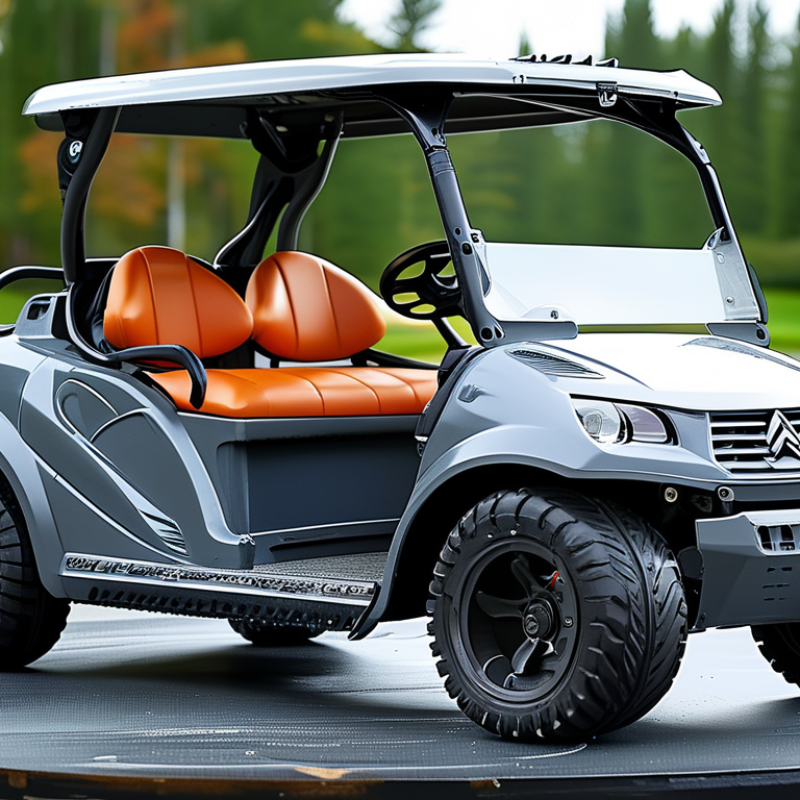
Overview of Golf Cart Plastic Injection Molding
Golf carts are becoming increasingly popular for various uses. The need for durable and lightweight components drives the demand for effective plastic injection molding solutions. This process allows manufacturers to create complex shapes suited for golf carts, improving both aesthetics and functionality.
In plastic injection molding, molten plastic is injected into molds. This results in highly precise components, crucial for golf cart performance. Designers focus on aspects such as weight reduction and resistance to weather elements. However, not all molds deliver the desired results. Some might suffer from defects like warping or incomplete filling. Continuous improvement is essential to avoid these pitfalls.
Choosing the right materials is vital. Engineered plastics can withstand the rigors of outdoor use. However, cost and availability can impact choices. Effective communication between designers and manufacturers is critical to achieve the best outcomes. Balancing cost-effectiveness and quality is a challenge, but it can lead to better products. As the golf cart market evolves, so will the techniques used in plastic injection molding.
2026 Best Golf Cart Plastic Injection Molding Solutions
| Feature |
Description |
Material Type |
Cycle Time (seconds) |
Typical Applications |
| Durability |
High resistance to impact and weathering |
Polyethylene (PE) |
30 |
Body panels |
| Weight |
Lightweight design for easy handling |
Acrylonitrile Butadiene Styrene (ABS) |
25 |
Battery covers |
| Customization |
Various colors and textures available |
Polypropylene (PP) |
40 |
Seat coverings |
| Cost Efficiency |
Affordable production for large volumes |
High-Density Polyethylene (HDPE) |
35 |
Storage compartments |
Key Materials Used in Golf Cart Injection Molding
The choice of materials in golf cart plastic injection molding significantly impacts durability and performance. High-density polyethylene (HDPE) is commonly used due to its resilience and lightweight nature. It offers excellent chemical resistance, making it suitable for outdoor environments.
Polypropylene (PP) is another popular option. It provides flexibility and good impact resistance.
However, selecting the right material is not always straightforward. Each type has its strengths and weaknesses. For instance, while ABS plastic provides good toughness, it may not withstand extreme temperatures as well as other materials. Manufacturers often face challenges in balancing cost and performance. Understanding these trade-offs is crucial for optimal production.
Recycling also plays a role in material selection. Many manufacturers are looking into sustainable options. Bio-based plastics and recycled materials can provide eco-friendly alternatives. However, these materials sometimes lack the structural integrity required for heavy-duty use. This can lead to concerns about longevity. Finding the right mix of innovation and reliability is essential in the evolving landscape of golf cart manufacturing.
Benefits of Plastic Injection Molding for Golf Carts
Plastic injection molding offers significant advantages for golf cart manufacturing. The process allows for high precision and repeatability, critical in producing durable plastic components. According to industry reports, injection molding can reduce scrap rates by up to 90%. This efficiency translates into lower production costs, a crucial factor in a competitive market.
Additionally, the versatility of plastic materials enables manufacturers to design components that are lightweight yet strong. Research indicates that using plastic can decrease the weight of golf carts by approximately 20% compared to metal alternatives. This reduction can enhance performance and improve battery efficiency, which is increasingly important as electric golf carts gain popularity. However, it's essential to consider the environmental impact of plastic production and explore sustainable materials and recycling options.
Further, the rapid prototyping capabilities of injection molding allow for quick design iterations. This flexibility is vital. Although the technology is advanced, the reliance on mold creation can lead to significant upfront costs. As manufacturers evolve, balancing innovation with sustainability remains a challenge.
Leading Manufacturers in Golf Cart Injection Molding Solutions
The golf cart industry
relies heavily on quality plastic injection molding. This technology is vital in producing durable and lightweight components. Leading manufacturers excel in creating precise molds tailored for specific golf cart designs. They ensure high standards in performance and longevity, contributing significantly to overall vehicle efficiency.
Expertise in injection molding often involves advanced equipment and skilled technicians. These professionals refine processes to reduce waste and enhance production speed. Many manufacturers continuously invest in research, seeking innovative materials that improve product resilience. This push for improvement can sometimes lead to challenges, such as balancing cost and quality.
While many manufacturers strive for excellence, not every solution is flawless. Some products may encounter issues during the molding process. Inconsistent quality can arise from variations in materials or aging machines. It is essential for manufacturers to regularly evaluate their methods and seek feedback. Cultivating a culture of continuous improvement ensures that the solutions they provide meet the high expectations of the golf cart market.
Future Trends in Golf Cart Plastic Injection Molding Technology
The future of golf cart plastic injection molding technology is promising and evolving rapidly. Innovations in materials and processes will significantly enhance the performance and durability of golf carts. New biodegradable plastics are emerging, promoting sustainability in manufacturing. As environmental concerns grow, the golf industry seeks greener solutions. The shift towards eco-friendly materials will not only reduce waste but also attract environmentally conscious consumers.
Advanced automation and smart technology are set to revolutionize the injection molding process. Technologies like AI and IoT can optimize production efficiency and accuracy. These tools enable real-time monitoring and predictive maintenance, leading to reduced downtime. However, integrating these technologies poses challenges. Manufacturers must invest in training and infrastructure to fully utilize these advancements.
Moreover, customization is becoming increasingly important. Consumers desire personalized features for their golf carts. Injection molding allows for intricate designs and variations which cater to individual preferences. Yet, balancing mass production with customization will require strategic planning. Companies need to reflect on their capabilities and adapt to this trend while maintaining cost-effectiveness. As the industry evolves, these factors will shape the future landscape of golf cart manufacturing.
2026 Best Golf Cart Plastic Injection Molding Solutions
This chart illustrates the projected market share of different plastic injection molding technologies used in golf cart manufacturing for 2026. The data highlights the expected trends in material usage and technological advancements in the golf cart industry.