How to Optimize Plastic Injection Molding for Automotive Parts?
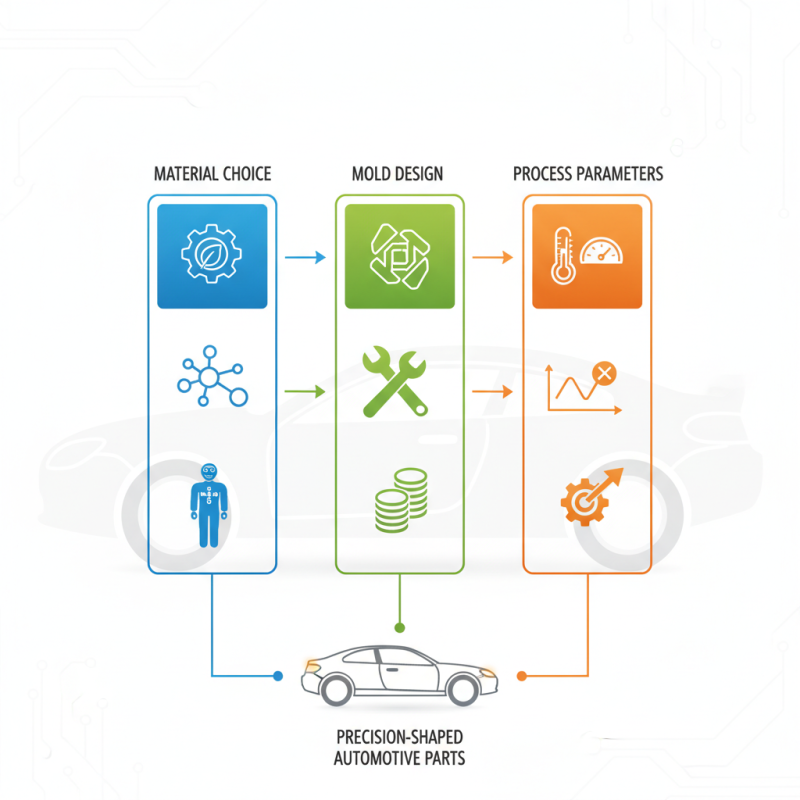
Plastic Injection Molding Automotive Parts is crucial for the automotive industry. This process shapes various components with precision. Automakers strive for efficiency and quality in production. Yet, many face challenges in achieving optimal results.
One common issue is material choice. Selecting the right plastic can impact durability and performance. Additionally, the design of molds plays a vital role. Complex shapes can lead to defects if not managed properly. Engineers must ensure that molds are easy to maintain but also cost-effective.
Another consideration is process parameters. Temperature and pressure settings can make a significant difference. If not monitored, they can lead to inconsistencies. Many manufacturers overlook these details, causing waste. Continuous improvement is key in this competitive market, pushing for better methods and practices.
Understanding the Basics of Plastic Injection Molding in Automotive Industry
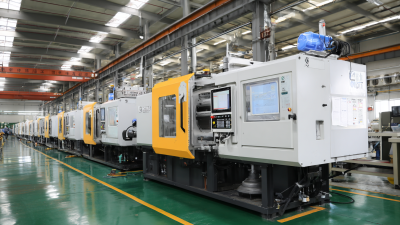
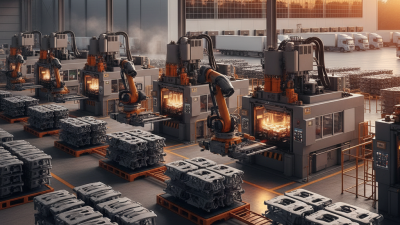
Plastic injection molding plays a crucial role in the automotive industry. This process allows manufacturers to create complex shapes efficiently. It involves injecting molten plastic into a mold, where it cools and solidifies into the desired form. Understanding the basics helps optimize production and reduce costs.
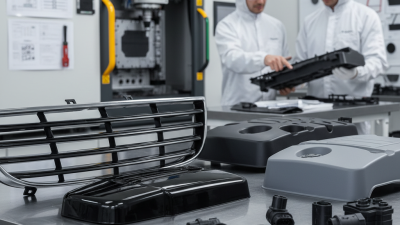
One tip for improving plastic injection molding is to analyze the mold design. A poorly designed mold can lead to defects, such as warping or incomplete filling. Regularly revisiting the mold design ensures it meets the latest production requirements. It can also increase the lifespan of the mold.
Another critical aspect is material selection. Different plastics have unique properties that can affect the final product. Choosing the right material can enhance durability and reduce production time. Pay attention to the thermal properties and strength of materials used.
Ultimately, refining your injection molding process requires continuous effort. Mistakes can happen, and not all runs will be perfect. Embrace these challenges and look for opportunities to improve. Keeping an iterative mindset will lead to better quality parts in the long run.
Identifying Key Factors Influencing Molding Efficiency and Quality
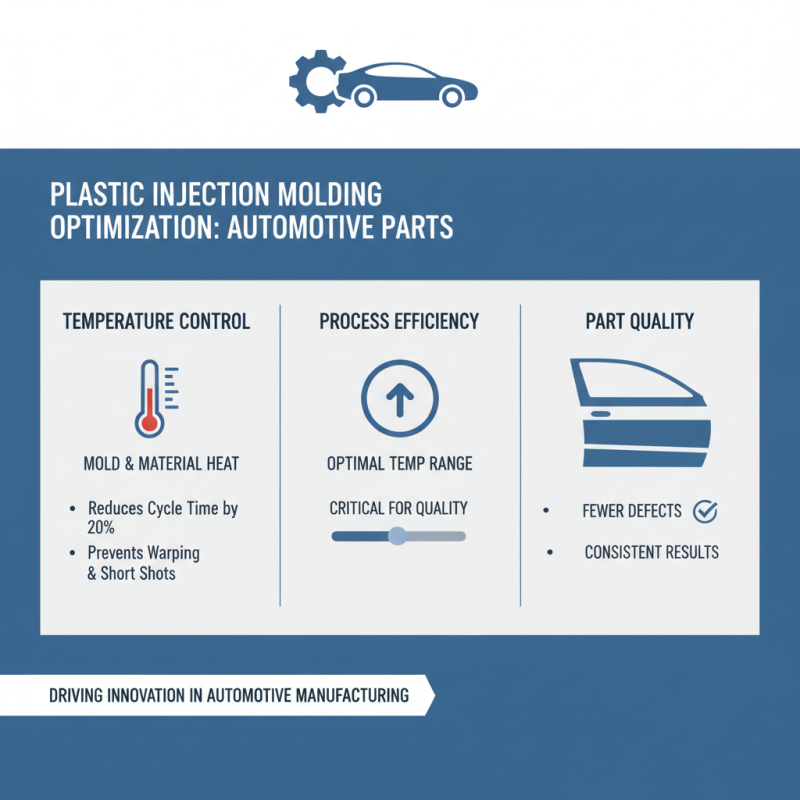
Optimizing plastic injection molding for automotive parts requires a deep understanding of several key factors. One major influence is the temperature of the mold and material. Research shows that precise control of these temperatures can reduce cycle times by up to 20%. Inadequate temperature management can lead to defects like warping or short shots. Maintaining an optimal range is crucial for achieving the desired part quality.
Another critical factor is the choice of injection speed. Studies indicate that speeds that are too high can create issues like increased shrinkage and surface roughness. Conversely, slow injection might not fill the mold efficiently, leading to incomplete parts. A balanced approach often yields the best results, yet many manufacturers still struggle with this.
Additionally, the quality of the raw materials plays a significant role. Poor-quality plastics can compromise the final product’s strength and durability. Industry reports suggest that nearly 30% of defects arise due to inadequate material properties. Suppliers need to ensure consistent quality to maintain efficiency in the molding process. Many companies overlook this, which can lead to significant production losses.
Techniques for Optimizing Injection Molding Parameters and Settings
Optimizing injection molding parameters is crucial for automotive parts. The process begins with understanding the material's characteristics. Each polymer behaves differently under heat and pressure. Adjusting the temperature and cooling times is vital. If the material is too hot, it may degrade. Too cold, and flow issues might arise.
Tips: Regularly calibrate temperature settings. Monitor the flow rate continually. A consistent flow leads to uniform parts.
Pressure settings are equally important. High pressure can lead to great finishes but may cause defects. Experimenting with injection speed can reveal optimal settings. Sometimes, slower speeds yield better results. Yet, rapid injection is tempting, especially for complex geometries.
Tips: Keep records of settings for future reference. Analyzing previous trials can save time. Don’t hesitate to tweak minor parameters for improvement.
Finally, consider the mold design itself. A poorly designed mold can waste effort. Ensure adequate venting and cooling channels. Sometimes, simple changes yield significant improvements. Design flaws can often be spotted only after trials. Reflection on these experiences fosters better practices.
Exploring Advanced Materials and Their Impact on Automotive Parts
The automotive industry is rapidly evolving, especially in material choices for plastic injection molding. Advanced materials enhance performance, durability, and weight efficiency. For instance, composites and reinforced plastics exhibit superior resistance to heat and stress, making them ideal for critical components.
However, integrating these materials poses challenges. Often, they require specific processing conditions that standard molds might not accommodate. This can lead to production delays and increased costs. Furthermore, quality control can be tricky. Variations in material properties might affect the molding process, causing inconsistencies in the final products.
Choosing the right material is essential, but it isn’t always straightforward. Some advanced materials may not be compatible with traditional molding techniques. Designers must consider the entire manufacturing process. Testing and refinement are crucial. The pursuit of optimization should focus on how these materials interact with existing systems. This reflection can guide engineers in making sound decisions that benefit the overall production cycle.
Best Practices for Reducing Waste and Improving Sustainability in Molding
To optimize plastic injection molding for automotive parts, it’s crucial to focus on sustainability. Reducing waste during the molding process is essential. One effective method is to recycle scrap materials. This not only diverts waste from landfills but also reduces the demand for virgin materials. Yet, the challenge lies in ensuring the quality of recycled components.
Improving energy efficiency in the molding process is another important aspect. Utilizing energy-efficient machines can significantly cut down on power consumption. However, older equipment may remain in use due to high replacement costs. This creates a dilemma: balancing sustainability with existing operational budgets.
Additionally, reconsidering design practices can lead to better outcomes. Streamlined designs typically require less material. Collaborative efforts with engineers and designers can help identify areas for improvement. These changes are not always easy to implement and may require a mindset shift. But, the potential benefits, both environmentally and economically, are worth exploring.