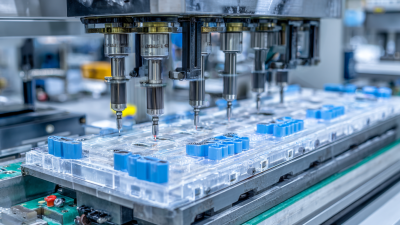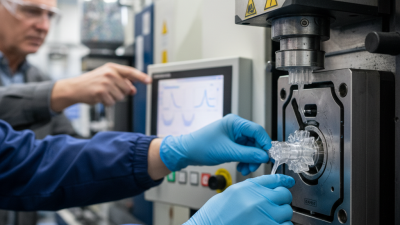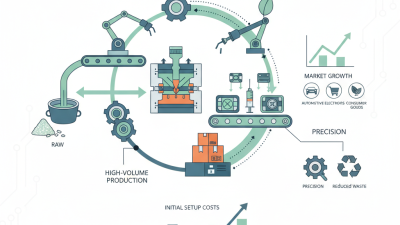
In today's fast-paced automotive sector, the demand for efficiency and precision is paramount. Injection molding in the automotive industry emerges as a key technology enabling these goals. This process offers diverse advantages, ranging from cost-effectiveness to design flexibility. Manufacturers are increasingly turning to injection molding for producing complex parts quickly and accurately.
The injection molding automotive industry significantly reduces waste through its efficient material use. Parts are created with minimal excess, lowering material costs. This method also supports high-volume production, crucial for meeting market demands. However, there are challenges. Companies must balance initial investment costs against long-term savings. Inconsistent quality may arise if processes aren't monitored carefully.
Despite these hurdles, the benefits are compelling. Innovations like lightweight materials are revolutionizing automotive design. Injection molding allows for intricate designs that enhance vehicle performance and aesthetics. As the industry evolves, the focus on sustainability is reshaping practices too. With a commitment to refining processes, the injection molding automotive industry can unlock new levels of excellence.
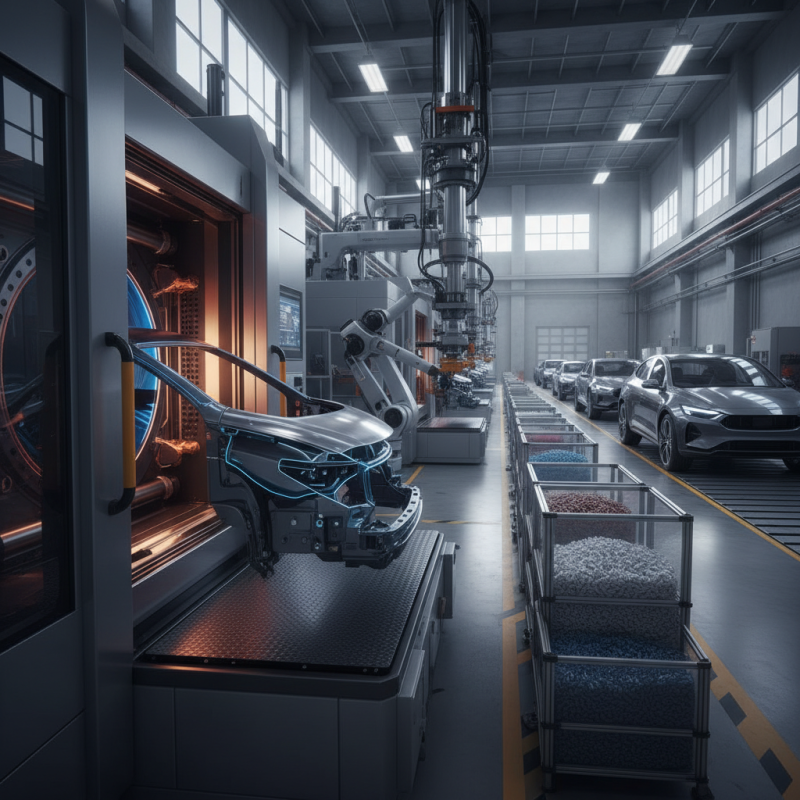
Injection molding plays a significant role in the automotive industry. This manufacturing process creates complex shapes and components with high precision. It is essential for producing parts like dashboards, bumpers, and housings. The method allows for mass production, saving time and costs.
Tips: When choosing materials for injection molding, be cautious. Not every plastic works well. Some may warp or degrade over time. Always conduct proper testing.
Another benefit of injection molding is the reduction of waste. The process utilizes only the necessary amount of material. Unlike other methods, this minimizes scrap. However, designers must stay mindful of design constraints. Even minor changes can significantly affect production.
Tips: Keep designs simple. Overly complex shapes can lead to higher costs and longer lead times. Simplification helps maintain efficiency and lower production risk.
Cost-Efficiency:
Reducing Production Costs with Injection Molding Techniques
Injection molding is transforming the automotive industry. This technique allows for precise manufacturing of parts, minimizing waste. According to industry reports, this process can lower production costs by up to 30%. It achieves this by reducing cycle times and streamlining workflows.
The efficiency of injection molding means faster production. Automakers can produce complex shapes with high consistency. This appeals to manufacturers, who aim for quality without excess expenditure. However, tooling costs can be significant. It’s essential to weigh initial investments against long-term savings.
Tips: Focus on optimizing the production process. Evaluate your design before committing to molds. A well-planned approach can avoid costly modifications down the line. Additionally, consider partnering with experienced suppliers for better material choices. They can offer insights that save money and improve the final product’s quality.
Injection molding might not be a one-size-fits-all solution. Some designs and materials may not yield cost savings. It’s crucial to continuously assess your production strategy. Finding the right balance between cost and quality can be challenging, but this reflection can lead to better decision-making in the long run.
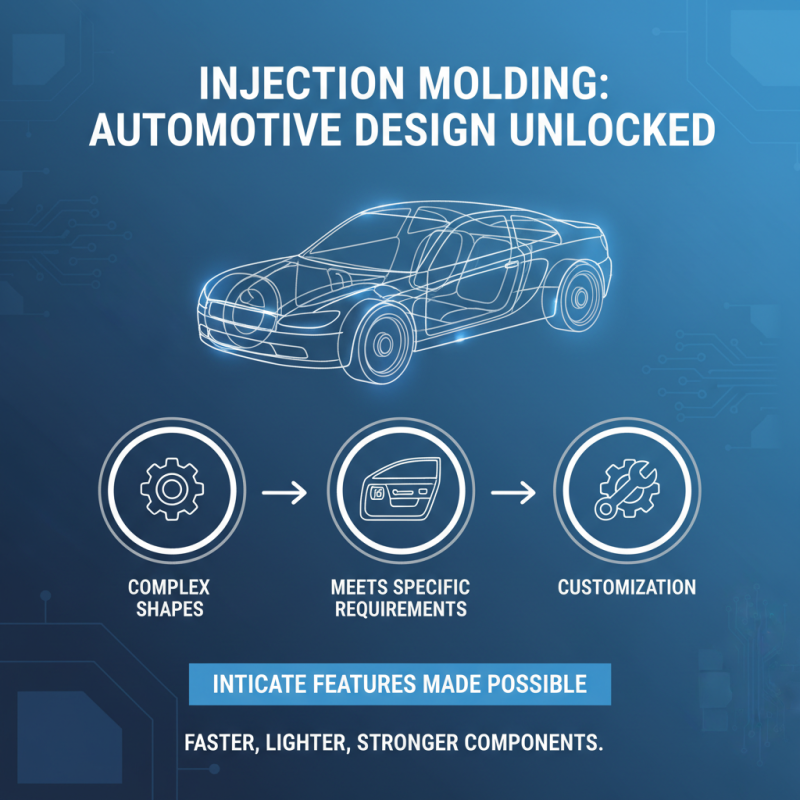
Injection molding brings remarkable design flexibility to the automotive industry. It allows manufacturers to create complex shapes that meet specific requirements. This method can produce intricate features that traditional manufacturing struggles with. Customization becomes possible, catering to various vehicle models and designs.
Engineers appreciate the freedom to experiment. They can design parts that enhance both functionality and aesthetics. For instance, different textures and patterns can be incorporated right into the mold. This reduces the need for secondary operations, saving time and cost. However, the challenge lies in ensuring that molds are made with precision. Any slight error can lead to significant production issues.
The environmental impact also warrants consideration. While injection molding enhances design possibilities, the materials used can become a concern. Manufacturers must balance innovative designs with sustainable practices. Finding eco-friendly polymers is crucial. Striking this balance is essential but often overlooked in the pursuit of design excellence.
Injection molding has transformed the automotive industry by introducing remarkable material versatility. High-performance plastics and composites are now common in vehicle manufacturing. These materials offer lightweight solutions that enhance fuel efficiency and reduce emissions. For example, advanced polymers can replace traditional metals in many applications. This shift not only lowers production costs but also simplifies the assembly process.
Despite the benefits, challenges exist. The selection of the right material is crucial. Not all plastics are suitable for every part of a vehicle. Some might not withstand high temperatures or harsh environments. Engineers must carefully evaluate these factors. Additionally, recycling these materials can be difficult. Sustainable practices are still evolving in the automotive sector.
While injection molding provides speed and accuracy, the technology isn't perfect. Molding defects can occur, leading to waste and rework. Addressing these issues requires continuous improvement and innovation. The automotive industry must remain open to exploring new materials and methods. The journey towards material versatility is ongoing, with lessons to be learned along the way.
| Benefit | Description | Material Types | Applications |
|---|---|---|---|
| Material Versatility | Ability to use a wide range of high-performance plastics and composites. | Polypropylene, ABS, Nylon | Interior components, Panels |
| Design Flexibility | Facilitates complex and intricate designs. | Polycarbonate, TPU | Structural parts, Housing |
| Cost Efficiency | Lower production costs for high-volume orders. | Glass-filled plastics, PP | Body panels, Trims |
| Speed of Production | Rapid production cycles enhance throughput. | Polypropylene, Nylon | Dashboards, Interior fittings |
| Precision and Accuracy | Highly accurate dimensions with minimal tolerances. | Engineering plastics, Composites | Connectors, Electrical components |
| Environmental Impact | Use of recyclable materials reduces waste. | Bio-based plastics, Recycled materials | Non-structural parts, Trimming components |
| Post-Processing Options | Easy to finish with painting, plating, or coating. | PC/ABS blends, Soft-touch materials | Exterior components, Decorative parts |
| Less Waste | Efficient use of materials leads to reduced scrap. | Thermoplastics, Composites | Complex assemblies, Lightweight structures |
| High Strength-to-Weight Ratio | Materials offer strength with reduced weight for efficiency. | Carbon fiber composites, Reinforced plastics | Structural applications, Chassis components |
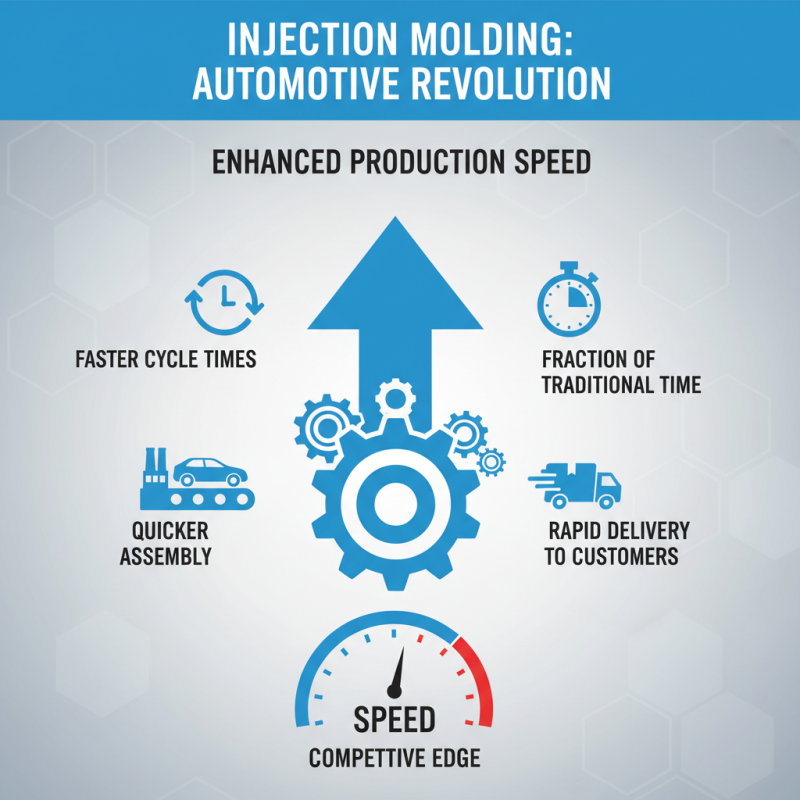
Injection molding has transformed the automotive industry significantly. One of the standout benefits is enhanced production speed. In this fast-paced market, quick turnaround times can make or break a manufacturer. With injection molding, parts can be produced in a fraction of the time compared to traditional methods. This leads to faster assembly and quicker delivery to customers.
However, it's important to consider the challenges that come with rapid production. Molds can have high initial costs. When mistakes occur in the design phase, they can be costly to fix. Additionally, while the speed is impressive, it is crucial to maintain quality control. High speed should not sacrifice the integrity of parts that meet safety standards. Finding this balance is key. Streamlined production is excellent, but every manufacturer needs to invest time in ensuring that speed does not compromise quality.