Top Plastic Injection Molding Motorcycle Parts Suppliers?
In the competitive realm of motorcycle components, the significance of high-quality Plastic Injection Molding Motorcycle Parts cannot be overstated. These parts are critical for enhancing performance and ensuring reliability on the road. With the growing demand for lightweight and durable components, many suppliers have emerged as leaders in this sector.
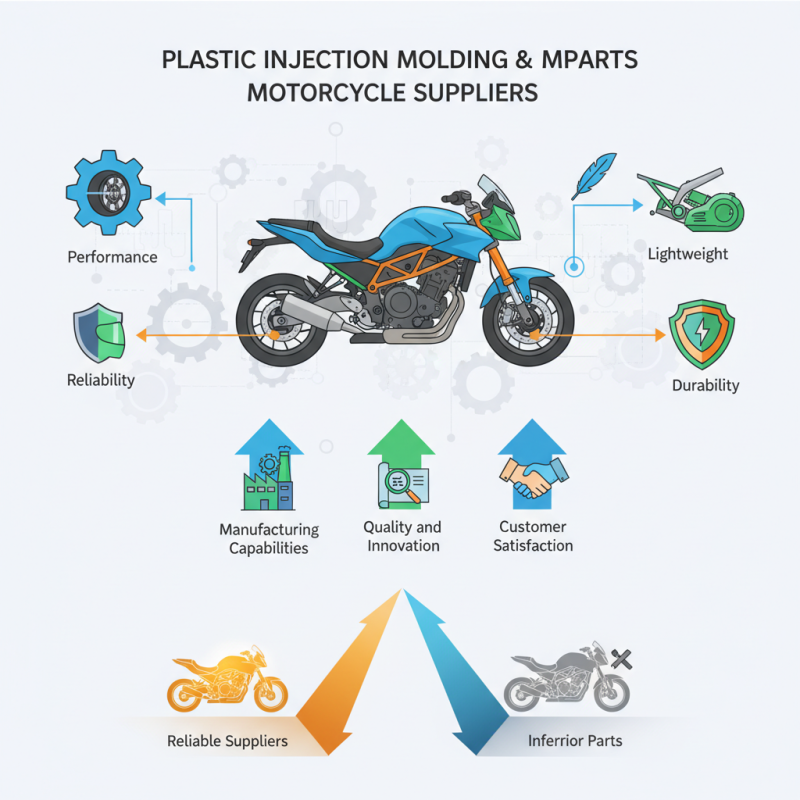
However, not all suppliers are created equal. It's essential to identify those that truly excel in quality and innovation. In this article, we delve into the top suppliers of Plastic Injection Molding Motorcycle Parts. We highlight their expertise, manufacturing capabilities, and commitment to customer satisfaction. By focusing on reliable suppliers, manufacturers can avoid pitfalls that come with inferior parts.
As we explore the market, we find that while some suppliers offer impressive products, others fall short. Understanding what distinguishes the best from the rest will empower businesses to make informed choices. A focus on quality, precision, and service is vital. It’s important to reflect on the consequences of partnering with subpar suppliers, as these decisions can impact safety and overall performance.
Overview of Plastic Injection Molding in Motorcycle Parts Industry
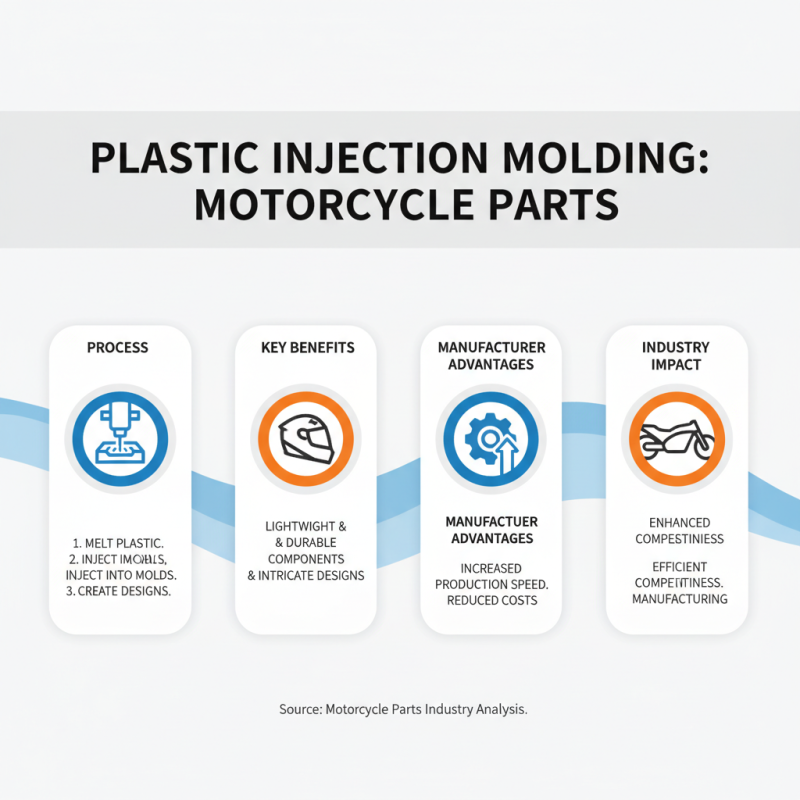
Plastic injection molding plays a crucial role in the motorcycle parts industry. It allows manufacturers to produce lightweight and durable components efficiently. By melting plastic and injecting it into molds, intricate designs can be created with precision. This method enhances production speed and lowers costs, beneficial for businesses striving for competitiveness.
Motorcycle parts such as fairings, panels, and knobs often rely on injection molding. The process enables manufacturers to achieve complex shapes that would be difficult or costly with traditional methods. However, achieving consistent quality can be challenging. Variations in temperature, pressure, and material can lead to defects or variations in the final product. Manufacturers must maintain strict quality controls.
Sustainability also presents a concern in the injection molding sector. The environmental impact of plastic waste cannot be overlooked. Efforts are being made to introduce recyclable materials and improve waste management practices. However, many companies still grapple with the balance between cost efficiency and eco-friendly production. The future of this industry may very well depend on addressing these pressing issues.
Key Factors to Consider When Choosing Suppliers for Motorcycle Parts
When choosing suppliers for motorcycle parts, several factors can greatly impact your decision.
Quality is paramount.
A supplier should have a solid track record of producing durable and reliable plastic injection molded parts.
Always check their certifications and quality assurance processes. Understanding their manufacturing capabilities is essential, too.
The supplier's technology and equipment can affect the precision of the parts you receive.
Consider the supplier's experience in the motorcycle industry. An experienced supplier understands the specific challenges and requirements of motorcycle parts.
They can provide insights and suggestions to improve your product. Communication is another critical factor.
Choose a supplier who is responsive and open to feedback. This collaboration can lead to better outcomes and innovation.
Tips: Look for customer reviews.
These can offer valuable insight into a supplier's reliability. Assess the supplier's production timelines.
Delays can affect your business significantly. Ensure you have a clear understanding of pricing.
Transparency in costs prevents future disputes.
By focusing on these considerations, you can find a reliable supplier who aligns with your needs and values.
Be cautious and diligent; your choice will impact your product's success.
Top Suppliers of Plastic Injection Molding Motorcycle Parts Worldwide
The motorcycle industry increasingly relies on advanced plastic injection molding processes. This method produces durable and lightweight parts, making it essential for manufacturers. Finding a reliable supplier can significantly impact production efficiency and product quality.
Globally, many suppliers offer expertise in plastic injection molding for motorcycle components. Each one demonstrates unique strengths in meeting diverse needs. Some specialize in innovative designs, while others focus on stringent quality standards. It's crucial to evaluate a supplier’s track record and client reviews. Establishing a good partnership can enhance production timelines.
However, challenges exist in this sector. Suppliers must navigate fluctuating material costs and evolving technology. Not all suppliers maintain the same level of expertise or reliability. Businesses should conduct thorough research and possibly seek testimonials. A trusted supplier can mitigate risks, but ongoing assessment is vital to ensure long-term success.
Top Suppliers of Plastic Injection Molding Motorcycle Parts Worldwide
Comparative Analysis of Leading Motorcycle Parts Suppliers
In the motorcycle parts industry, plastic injection molding has become a standard for producing high-quality components. A recent report by market analysts highlights that the global market for motorcycle injection-molded parts is projected to reach $5.8 billion by 2025, underscoring significant growth potential. This surge arises from advancements in manufacturing technology and increasing motorcycle sales worldwide.
Leading suppliers offer a range of products, including fairings, frames, and electrical housings. An analysis of production capabilities shows that top companies can reduce lead times significantly by employing advanced molds and automation techniques. However, challenges remain. Some suppliers struggle with maintaining consistent quality across batches. Variations can lead to customer dissatisfaction and increased production costs.
Data indicates that around 30% of manufacturers reported issues with material compatibility. This can affect durability and performance. Staying abreast of technological advancements and investing in quality control measures remain critical for suppliers aiming to lead in this competitive landscape. In a rapidly evolving market, adaptability is key.
Top Plastic Injection Molding Motorcycle Parts Suppliers
| Supplier |
Location |
Annual Revenue ($ Millions) |
Export Markets |
Product Range |
| Supplier A |
USA |
150 |
North America, Europe |
Fairings, Body Panels |
| Supplier B |
China |
200 |
Asia, Africa |
Seats, Handles |
| Supplier C |
Germany |
120 |
Europe, Asia |
Engine Parts, Electrical Components |
| Supplier D |
India |
175 |
Middle East, Australia |
Brakes, Suspension Parts |
| Supplier E |
Japan |
250 |
Global |
Chassis, Tires |
Future Trends in Plastic Injection Molding for Motorcycle Components
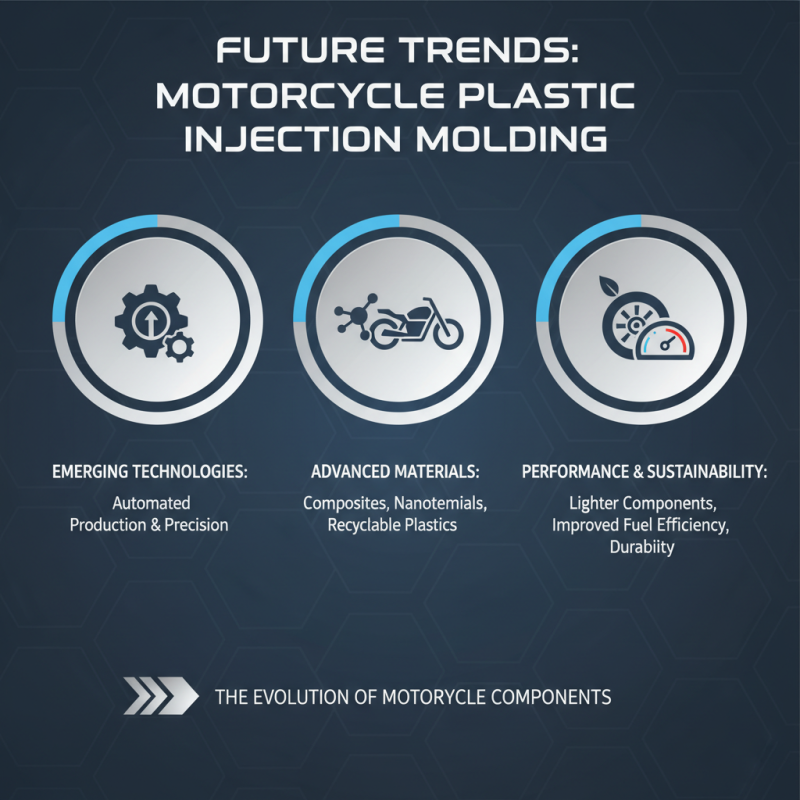
The realm of plastic injection molding for motorcycle components is on the brink of significant evolution. Emerging technologies are reshaping how manufacturers create parts. Advanced materials are now being introduced, enhancing performance and durability. These changes lead to lighter components that improve fuel efficiency.
As manufacturers adapt, sustainability becomes a focal point. Eco-friendly materials are gaining traction. The industry is learning to balance performance with environmental responsibilities. Companies are exploring biodegradable plastics, although these alternatives sometimes struggle with durability. Ongoing research is needed to develop robust options that do not compromise performance.
Finally, automation plays a crucial role in future trends. Smart factories are becoming more common, integrating robotics into production lines. This shift enhances precision while reducing labor costs. Yet, it poses challenges in workforce adaptation and retraining. The ongoing transition will require careful planning and a willingness to embrace change for success.