Leave Your Message

2026 Best Automotive Injection Molding Companies?

The search for the 2026 Best Automotive Injection Molding Companies requires more than comparing press sizes or factory photographs. Automotive buyers now examine dimensional stability, traceability, mold maintenance, and production resilience. A dashboard carrier, battery enclosure, or door module must survive heat, vibration, chemical exposure, and repeated assembly. Small defects can create visible sink marks, rattles, or costly recalls.

Market evidence supports this stricter evaluation. The International Energy Agency’s Global EV Outlook 2025 reported that electric car sales exceeded 17 million worldwide in 2024. This shift increases demand for lightweight housings, thermal-management components, and high-voltage protection parts. Grand View Research also identifies automotive plastics as a growing market, driven by vehicle weight reduction, fuel efficiency, and electrification. However, market growth does not prove manufacturing excellence. A supplier may report impressive capacity while struggling with warpage, recycled-content consistency, or mold downtime.

John Bozzelli, founder of Injection Mold Consulting, has repeatedly stressed, “There are no shortcuts in injection molding.” That principle remains practical in 2026. The strongest companies combine engineering experience with measurable process control. They validate material drying, optimize filling pressure, and document every critical dimension. They also support customers after the first production run.

This ranking should therefore be treated as a careful industry guide, not an absolute verdict. Regional capability, tooling complexity, certification scope, and program volume can change the best choice. Some evaluations may remain imperfect. That is worth acknowledging. Reliable decisions come from audits, sample approvals, and transparent performance data, not polished marketing alone.
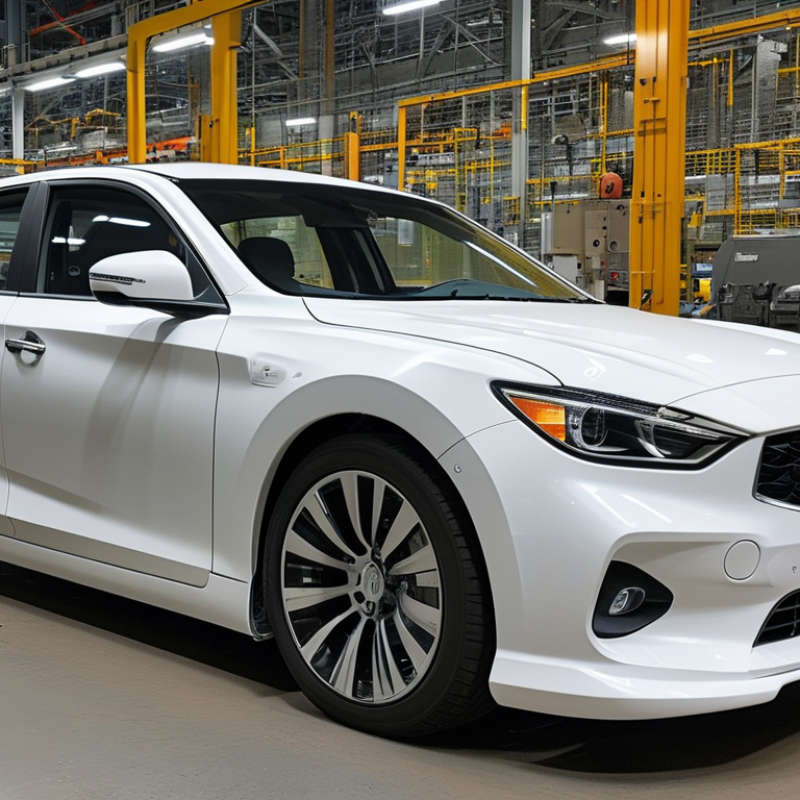
2026 Best Automotive Injection Molding Companies?

What Defines a Leading Automotive Injection Molding Company in 2026?

What Defines a Leading Automotive Injection Molding Company in 2026?

A leading automotive injection molding company must control more than cycle time and piece price. It should prove dimensional stability across tools, materials, shifts, and seasons. In production audits, I look for cavity-pressure records, resin certificates, mold-maintenance logs, and full part traceability. Small gaps become expensive when a dashboard panel reaches thousands of vehicles. The U.S. Department of Energy reports that a 10% vehicle weight reduction can improve fuel economy by roughly 6% to 8%. Therefore, advanced molders should support lightweight designs without weakening safety-critical performance. Process capability matters. So does honest reporting.

Electrification raises the standard. The International Energy Agency’s Global EV Outlook 2025 states that electric car sales exceeded 17 million in 2024 and may surpass 20 million in 2025. This growth increases demand for battery housings, connectors, sensor covers, and thermal-management components. A capable supplier should validate flame resistance, sealing, chemical exposure, and dimensional repeatability. It should also reduce scrap and measure energy per molded kilogram. PlasticsEurope reported global plastics production of about 413 million tonnes in 2023, reminding manufacturers that material efficiency cannot remain a slogan. I still question perfect sustainability claims. Recycled content can affect appearance, strength, and processing stability. The best partner shows the trade-offs, documents the tests, and improves the process when results fall short.
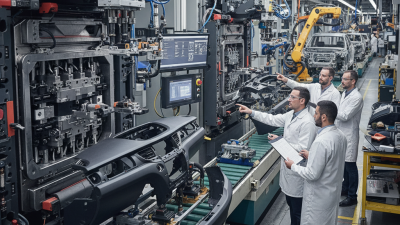
Key Technologies Used in Automotive Injection Molding

Automotive injection molding now supports lighter, quieter, and more integrated vehicle structures. According to the IEA Global EV Outlook 2025, electric car sales exceeded 17 million units in 2024. That shift increases demand for battery covers, cooling channels, sensor housings, and high-voltage connectors. Molders therefore need tight process control, not simply larger machines.

Servo-hydraulic and all-electric presses reduce idle energy and improve repeatability. In-mold pressure sensors can detect short shots before parts leave the tool. Hot-runner systems reduce cold scrap, while gas-assisted molding creates hollow ribs with lower material use. Thin-wall molding also saves weight. The U.S. Department of Energy reports that a 10% vehicle weight reduction can improve fuel economy by roughly 6–8%. The mold must stay stable. Small errors multiply.

Recycled engineering polymers are entering selected interior and non-critical structural applications, but material consistency remains difficult. Moisture, fiber length, and color variation can change filling behavior within one production shift. Digital twins help engineers compare cavity pressure, cooling time, and warpage before cutting steel. However, simulation is not proof. Physical trials still expose cooling imbalance, weld-line weakness, and uneven ejection. The strongest suppliers combine scientific molding, automated inspection, and traceable material records. Data from the IEA and DOE supports the direction, yet each component still needs validation under heat, vibration, chemicals, and repeated assembly.

2026 Best Automotive Injection Molding Companies? - Key Technologies Used in Automotive Injection Molding

Technology or Capability Operating Principle Common Automotive Applications Primary Materials Key Advantages Important Controls or Limitations
Conventional Thermoplastic Injection Molding Pellets are melted, injected into a closed mold, packed, cooled, and ejected. Interior trim, bezels, brackets, clips, housings, ducts, and under-hood components. Polypropylene, ABS, polyamide, polycarbonate, POM, and thermoplastic elastomers. High repeatability, scalable cycle times, and suitability for complex geometries. Requires control of melt temperature, mold temperature, packing pressure, cooling, shrinkage, and warpage.
Injection Compression Molding Material is injected into a partially open mold and compressed during mold closing. Large interior panels, instrument-panel substrates, door panels, and lightweight trim. Polypropylene, polypropylene composites, and other thermoplastics with mineral or glass reinforcement. Lower required injection pressure, reduced residual stress, and improved dimensional consistency for large parts. Requires accurate timing between injection and compression; mold alignment and process synchronization are critical.
Gas-Assisted Injection Molding Pressurized inert gas forms internal channels or applies packing pressure inside the molded part. Handles, structural tubes, spoilers, large covers, and lightweight instrument-panel components. Polypropylene, ABS, polyamide, polycarbonate blends, and other engineering thermoplastics. Lower part weight, reduced sink marks, improved stiffness-to-weight ratio, and reduced clamp-force demand. Gas penetration, wall-thickness distribution, venting, and pressure timing must be carefully controlled.
Insert Molding Metal, electronic, or preformed components are positioned in the mold before plastic is injected around them. Electrical connectors, sensor bodies, threaded components, busbar assemblies, and structural inserts. Polyamide, PBT, PBT blends, polycarbonate, PPS, and thermoplastic elastomers. Part consolidation, reduced assembly steps, reliable positioning, and improved mechanical integration. Insert location, retention, thermal expansion differences, electrical isolation, and automation repeatability require validation.
Two-Shot and Overmolding Two materials or two colors are molded sequentially, or a soft material is molded over a rigid substrate. Switch components, grips, seals, illuminated controls, soft-touch surfaces, and protective covers. Rigid thermoplastics combined with TPE, TPU, silicone-compatible systems, or contrasting thermoplastics. Improved ergonomics, sealing, appearance, and part integration with fewer secondary operations. Material compatibility, bond strength, shrinkage differences, and mold-registration accuracy must be verified.
Long-Glass-Fiber Thermoplastic Molding Long glass fibers reinforce a thermoplastic matrix to increase stiffness and structural performance. Front-end carriers, seat structures, battery-related components, brackets, and load-bearing modules. Long-glass-fiber polypropylene and long-glass-fiber polyamide compounds. High specific stiffness, potential metal replacement, and reduced component count. Fiber breakage, orientation-dependent properties, weld-line strength, moisture, and dimensional anisotropy must be managed.
Microcellular Foam Injection Molding A dissolved physical blowing agent creates fine cells during pressure reduction and mold filling. Lightweight interior substrates, structural covers, housings, and selected trim components. Polypropylene, polycarbonate blends, polyamide, and other compatible thermoplastics. Weight reduction, lower material consumption, and reduced molding pressure for suitable geometries. Cell size, surface appearance, dimensional stability, gas dosage, and pressure profile require tight process control.
Thin-Wall and High-Speed Molding High-speed filling and optimized cooling are used to produce parts with reduced wall thickness. Electronic housings, interior modules, air vents, covers, and lightweight packaging-related components. ABS, polycarbonate blends, polypropylene, polyamide, and high-flow engineering plastics. Lower part weight, shorter cooling time, and efficient material usage. High shear, short filling windows, pressure loss, weld lines, and mold venting make process capability essential.
In-Mold Labeling and In-Mold Decoration A printed film, label, or decorative layer is placed in the mold and permanently integrated during molding. Control panels, trim surfaces, switch panels, emblems, and information displays. Polycarbonate films, polyester films, ABS, polycarbonate blends, and polypropylene. Consistent graphics, reduced secondary painting or labeling, and durable surface integration. Film positioning, ink compatibility, adhesion, abrasion resistance, and temperature-cycle performance must be tested.
Recycled and Bio-Based Resin Processing Recycled or renewable-content polymers are processed using validated drying, blending, and molding conditions. Interior trim, non-critical covers, storage components, underbody shields, and selected structural parts. Recycled polypropylene, recycled polyamide, recycled ABS, recycled polycarbonate blends, and bio-based polymers. Potentially lower material-related environmental impact and support for circular-material targets. Batch variability, contamination, moisture, odor, color consistency, traceability, and long-term performance require qualification.
Digital Process Monitoring and Quality Control Sensors, machine data, vision inspection, and statistical process control are used to monitor production consistency. Safety-related housings, connectors, precision clips, visible trim, and high-volume production components. Applicable to thermoplastics, elastomers, reinforced compounds, and insert-molded assemblies. Early defect detection, traceability, reduced scrap, and improved process capability. Measurement-system capability, validated inspection criteria, data integrity, and compliance with customer-specific requirements are necessary.

Note: Material selection, tooling design, process windows, and performance requirements must be validated for each vehicle program and component specification.

Top Automotive Injection Molding Companies by Market Strength

Market strength defines the leading automotive injection molding companies in 2026. Scale matters, but it is not enough.

OICA recorded 92.5 million motor vehicles produced worldwide in 2024. This volume rewards suppliers with stable plants, regional tooling support, and disciplined production control. Strong companies usually serve several vehicle programs across Asia, Europe, and North America. Their advantage is measurable: high equipment utilization, repeat orders, and shorter mold-transfer times.

Electric vehicles are changing the scorecard. The International Energy Agency reported more than 17 million electric car sales in 2024, exceeding 20% of global new-car sales. This shift increases demand for battery housings, lightweight structural parts, thermal-management components, and high-voltage connectors. The strongest molders combine engineering experience with validated materials, automated inspection, and traceable process data. Tooling accuracy remains decisive. A tiny warpage problem can delay an entire assembly line.

Sustainability now affects commercial strength. PlasticsEurope’s automotive data shows that material efficiency and recycled-content planning are becoming important purchasing factors. However, recycled polymers can create inconsistent shrinkage and surface defects. That weakness deserves attention. A supplier may advertise circular production, yet lack stable quality at volume. Buyers should examine defect rates, energy use per molded kilogram, audit results, and recovery plans before trusting impressive claims. Market leadership is earned on the factory floor.

How to Compare Automotive Injection Molding Suppliers

Comparing automotive injection molding suppliers requires more than checking machine size or quoted price. In my experience, evaluation starts with evidence from similar parts. Ask for cycle-time records, cavity-balance studies, dimensional reports, and recent production samples. Inspect the mold shop, not only the presentation room. Look for controlled material storage, clean assembly benches, and technicians who explain maintenance intervals. Small details reveal operating discipline.

Review quality systems against automotive expectations, including traceability, process approval, measurement control, and corrective-action timing. Request a sample control plan. Ask how the supplier handles resin changes, tooling wear, and short shots. A capable team should connect molding data with part performance. They should explain validation plans in plain language. Listen carefully. Vague answers become costly later. Check whether the supplier supports design-for-molding reviews before tooling begins. Gate location, wall thickness, cooling layout, and ejection strategy affect appearance and durability.

Compare total program risk, not just piece price. Include tooling ownership, spare inserts, logistics, capacity reservations, and engineering response time. Run a technical trial when possible. Measure warpage after conditioning, not immediately after ejection. That extra check matters. No scorecard is perfect. I once treated a polished audit as proof of readiness; production exposed weak shift handovers. Ask for references, verify the data, and leave room for uncomfortable questions. A reliable supplier welcomes them.

Future Trends Shaping Automotive Injection Molding in 2026

Future Trends Shaping Automotive Injection Molding in 2026

Automotive injection molding is moving toward lighter parts, cleaner production, and measurable quality. In 2026, leading manufacturers will combine mold engineering with real-time process data. Sensors can track pressure, temperature, and cooling behavior inside each production cycle. This helps technicians detect warping before it becomes expensive waste. Small adjustments matter.

Electric vehicles are also changing material priorities. Molders increasingly need heat-resistant polymers for battery housings, charging components, and interior structures. Recycled and bio-based materials will receive more attention, but performance cannot be assumed. Engineers must test moisture absorption, impact strength, dimensional stability, and long-term aging. A greener material may still fail in a demanding application.

Digital twins and machine-learning tools will support faster mold validation and predictive maintenance. However, software is not a substitute for experienced technicians. Poor data can produce confident but incorrect recommendations. That weakness deserves more attention. Companies with strong traceability, documented testing, and skilled process teams will be better prepared for complex automotive programs. Flexible tooling, automated inspection, and regional supply planning may also reduce delays. Yet cost pressure remains severe, and not every advanced solution will deliver practical value. Reliable suppliers will prove their claims through production records, repeatable measurements, and clear communication.

2026 Best Automotive Injection Molding Companies?

Future Trends Shaping Automotive Injection Molding in 2026

Global motor vehicle production increased from approximately 80.1 million units in 2021 to 92.5 million units in 2024, creating a broad demand base for automotive injection-molded components. By 2026, the strongest molding capabilities are expected to focus on lightweight designs, recycled and bio-based polymers, multi-material components, electric-vehicle thermal management, digital process monitoring, and automated quality control.

Production data: International Organization of Motor Vehicle Manufacturers (OICA). Figures represent global motor vehicle production and do not compare individual companies or brands.