Custom Automotive Plastic Injection Molding How to Choose the Best?
In the world of automotive manufacturing, "Custom Automotive Plastic Injection Molding" plays a crucial role. This process allows manufacturers to create precise and durable components tailored to specific needs. Selecting the right molding service can be daunting. With so many options, understanding the nuances is key.
When evaluating potential partners, consider their experience and expertise. A reputable company should have a proven track record in the automotive sector. Reliable suppliers leverage advanced technologies and materials, ensuring high-quality results. However, not all providers meet these standards. Some may promise excellence but fail to deliver.
Engaging with a molding expert opens up possibilities for innovation. They can suggest innovative designs that are both functional and aesthetically pleasing. Collaboration can lead to better outcomes. Still, it’s essential to maintain realistic expectations. The process may involve trial and error, and what works perfectly for one application may need adjustments for another. Prioritizing quality and reliability will ultimately lead to the best choices in custom automotive plastic injection molding.
Understanding Custom Automotive Plastic Injection Molding: A Guide
Custom automotive plastic injection molding is a specialized process. It plays a crucial role in producing automotive components. Understanding this process is key for making informed decisions.
The selection of materials is vital. Different plastics serve unique purposes. For instance, ABS offers strength and impact resistance. Polypropylene is lighter and cheaper. Knowing these properties aids in choosing the right type. Furthermore, the quality of molds significantly influences the final product. High-quality molds enhance precision and reduce production waste.
Communication with manufacturers is also essential. It ensures that design specifications are met. However, not all manufacturers provide clear information. This can lead to misunderstandings. It's important to ask questions and seek clarity. Seeking reliable partners can ultimately drive successful outcomes in custom automotive projects.
Factors Affecting Custom Automotive Plastic Injection Molding
This chart illustrates the relative impact of different factors on the custom automotive plastic injection molding process. Understanding these factors can help in making informed decisions when choosing the best options for your needs.
Key Factors to Consider When Choosing a Molding Company
When selecting a custom automotive plastic injection molding company, several key factors come into play. Experience is crucial. A company with years in the industry often brings valuable insights. Their past projects speak volumes. Look for case studies that showcase their technical capabilities and innovation. Technical expertise is another vital component. Ensure they possess the specialized knowledge required for your specific needs.
Quality assurance should also be a top priority. A reliable molding company implements rigorous testing and quality checks. Ask about their quality control processes. Companies that prioritize standards are more likely to deliver defect-free products. Additionally, effective communication can’t be overlooked. You want a partner who understands your vision and responds promptly to inquiries. An open dialogue can prevent misunderstandings and delays.
Cost is an important aspect, yet it shouldn’t overshadow quality. Sometimes, a lower price can indicate lower standards. Evaluate the overall value instead. Transparency in pricing is essential, as hidden fees can quickly inflate costs. Lastly, consider sustainability practices. A company committed to eco-friendly methods may align better with your values. This reflection on their practices can lead to a more responsible partnership. Choosing wisely requires careful consideration of these elements.
Types of Materials Used in Automotive Injection Molding
When considering automotive injection molding, the choice of materials is crucial. Several types of materials suit this specialized process. Thermoplastics like ABS and polycarbonate are widely used due to their durability and ease of processing. They offer good impact resistance, which is essential for automotive parts. Additionally, these materials can be colored and molded into complex shapes.
Another category includes elastomers, which provide flexibility and a rubber-like feel. They are ideal for components requiring stress absorption, such as gaskets and seals. Injection molding with such materials ensures high precision. However, not all thermoplastics are created equal. Selecting the right type can significantly impact energy efficiency and production costs.
Tips: Evaluate the specific performance characteristics needed for your parts. Think about thermal, mechanical, and chemical resistances. Consulting with material experts can provide valuable insights. Don't overlook potential trade-offs between cost and quality. Remember, a tailored approach leads to better outcomes, but understanding the limitations of each material is essential for optimal results.
Essential Equipment and Technology for Efficient Injection Molding
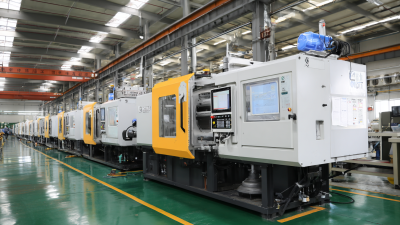
Choosing the right equipment for automotive plastic injection molding is crucial. Advanced machinery enhances efficiency and productivity. Key technologies include hydraulic and electric injection molding machines. Each type has its benefits. Hydraulic machines are known for their robustness, while electric machines offer precision and energy efficiency.
Tooling is another important factor. High-quality molds ensure consistent part quality. They withstand high pressures and temperatures, crucial for durable components. The design of the mold impacts production cycles and costs. Invest time in understanding mold materials and configurations.
Efficiency in injection molding relies on proper maintenance and setup. Regular checks prevent breakdowns and maintain output rates. Operational expertise is vital. Workers should understand machine settings and material properties. This minimizes production variables. Implementing best practices can lead to significant performance improvements.
Evaluating Cost-Effectiveness and Production Quality in Molding Services
Custom automotive plastic injection molding is a complex process. Evaluating cost-effectiveness and production quality is crucial for manufacturers. According to recent industry reports, nearly 30% of automotive components are made from plastic. This figure highlights the growing reliance on advanced molding techniques.
When assessing services, focus on the balance between quality and cost. High-quality molds can lead to better finishes and longer-lasting components. However, cost should remain competitive. Reports indicate that subpar molding leads to a 15% increase in warranty claims. This emphasizes the need for meticulous evaluation.
Tips: Always request sample products. Assess their structural integrity and aesthetic quality. Have a detailed conversation about production timelines. Delays can lead to increased costs, as estimated by industry observers. Consider the long-term impacts of your choices. The initial savings might not justify future complications. Quality should never be an afterthought in this crucial manufacturing phase.
Custom Automotive Plastic Injection Molding Data Evaluation
| Molding Company |
Production Capacity (Units/Month) |
Cost per Unit ($) |
Lead Time (Weeks) |
Quality Rating (Out of 5) |
| Company A |
10,000 |
2.50 |
4 |
4.5 |
| Company B |
15,000 |
3.00 |
3 |
4.7 |
| Company C |
20,000 |
2.80 |
5 |
4.0 |
| Company D |
8,000 |
2.20 |
6 |
4.8 |
| Company E |
18,000 |
3.10 |
4 |
4.6 |