How to Use Injection Molding Plastic for Marine Applications Efficiently?
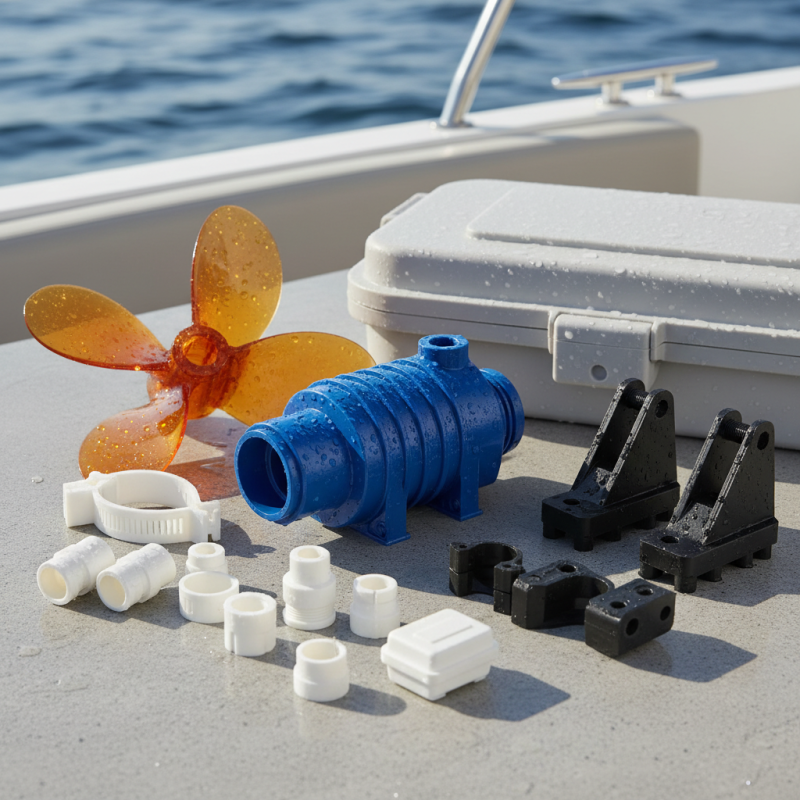
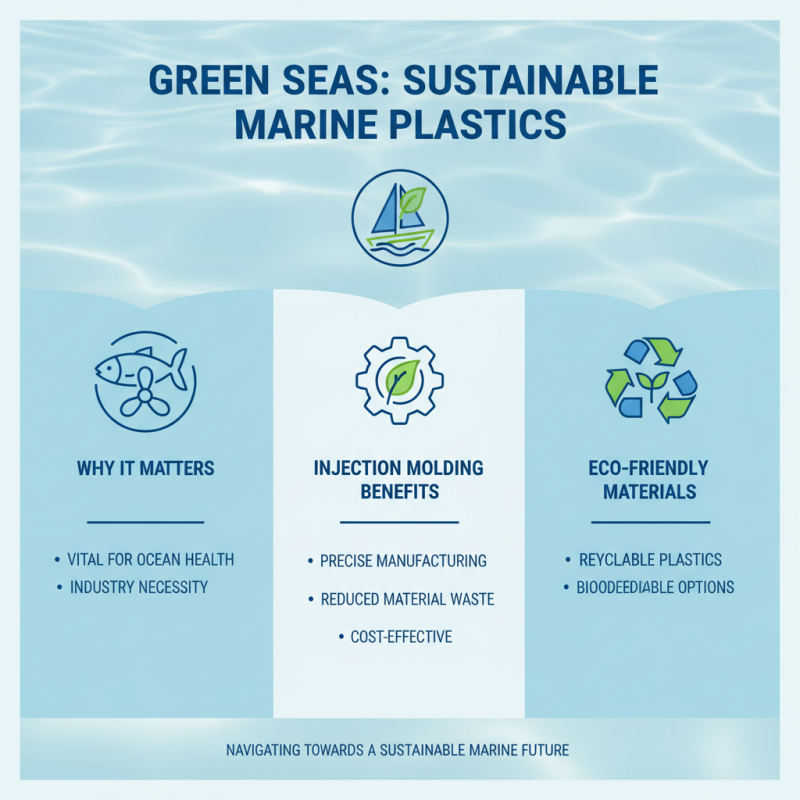
The marine industry demands materials that resist corrosion, withstand harsh conditions, and are lightweight. Injection Molding Plastic for Marine Applications has emerged as a highly effective solution. This technique allows for the creation of complex shapes, making it ideal for various components.
When using injection molding, it’s essential to select the right type of plastic. The choice can significantly impact durability and performance in marine environments. For instance, polyethylene offers good moisture resistance, while ABS can provide added strength. Understanding these materials is critical for success.
While injection molding presents many advantages, challenges remain. Ensuring quality control during the manufacturing process is crucial. Even minor defects can lead to significant failures in marine settings. Each decision in material selection and design needs careful consideration.
The Importance of Material Selection in Marine Injection Molding
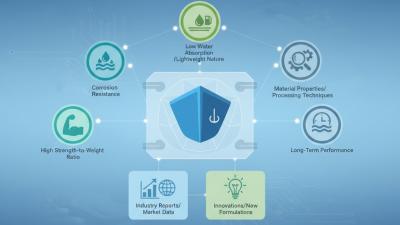
Material selection is crucial in marine injection molding. Marine environments are harsh, which demands high-performance materials. According to industry reports, materials like polypropylene and polycarbonate are popular for their resistance to moisture and UV rays. Choosing the right polymer can significantly extend the lifespan of marine components, ensuring safety and functionality.
Tips: Always consider the specific marine conditions your product will face. Do not overlook the importance of chemical resistance. A minor oversight in material selection can result in costly repairs and replacements. Investing in high-quality materials now can save money later.
It's also vital to test materials under real-world conditions. Data shows that some polymers may degrade faster than anticipated when exposed to saltwater. Continuous monitoring of material performance can lead to better results. Remember, not all plastics are created equal; understanding their limitations is essential for successful marine applications.
How to Use Injection Molding Plastic for Marine Applications Efficiently? - The Importance of Material Selection in Marine Injection Molding
| Material Type |
Properties |
Common Applications |
Water Resistance |
UV Resistance |
| Polypropylene (PP) |
Lightweight, flexible, good chemical resistance |
Buoys, storage tanks |
Moderate |
Low |
| Polyethylene (PE) |
High durability, impact-resistant |
Pipes, dock fenders |
High |
Low |
| Polyvinyl Chloride (PVC) |
Rigid, good weathering properties |
Marine construction components |
Moderate |
Moderate |
| Acrylonitrile Butadiene Styrene (ABS) |
Tough, impact-resistant |
Boat hulls, panels |
Moderate |
High |
| Nylon (PA) |
High strength, flexible |
Marine gears, fittings |
Low |
High |
Key Design Considerations for Plastic Components in Marine Environments
Designing plastic components for marine applications requires careful consideration. Marine environments pose unique challenges. Saltwater, UV rays, and temperature fluctuations affect material performance. For example, high water exposure can weaken certain plastics. Engineers must select the right resin to ensure durability and longevity.
Another important factor is the component's shape and size. Complex geometries may trap water, leading to deterioration. An ideal design minimizes surface area exposed to harsh conditions. Additionally, incorporating drainage features can prevent water accumulation. Regular maintenance can help identify problems early, but it isn't always enough.
Testing in real marine conditions is essential. Laboratory simulations can’t replicate the harsh realities. Actual performance might differ, revealing weaknesses in design. Engineers should be prepared for adjustments after initial tests. Continuous feedback and iteration will enhance reliability in future projects.
Material Performance in Marine Environments
Evaluating Cost Efficiency in Marine Injection Molding Processes
Injection molding is gaining traction in marine applications due to its potential for cost efficiency. Reports indicate that over 70% of manufacturers consider cost as a critical factor in material choice. This efficiency is largely impacted by the selection of high-quality polymers and optimized processes. Marine environments demand durable materials. The right plastic can reduce maintenance costs over time.
However, the cost of raw materials can vary significantly. According to industry analysis, prices can fluctuate by as much as 30% depending on market conditions. Additionally, the complexity of molds can drive up initial costs. Investing in advanced mold designs can be beneficial, but not all companies account for this upfront.
Efficiency can also suffer from poor design choices. Simple errors in mold design can result in material wastage. It is crucial to evaluate the entire process, from design to production. Some designers may overlook the importance of testing prototypes. This oversight can lead to unforeseen expenses. Understanding the balance between initial cost and long-term value is essential for success in marine injection molding.
Common Challenges and Solutions in Marine Plastic Injection Molding
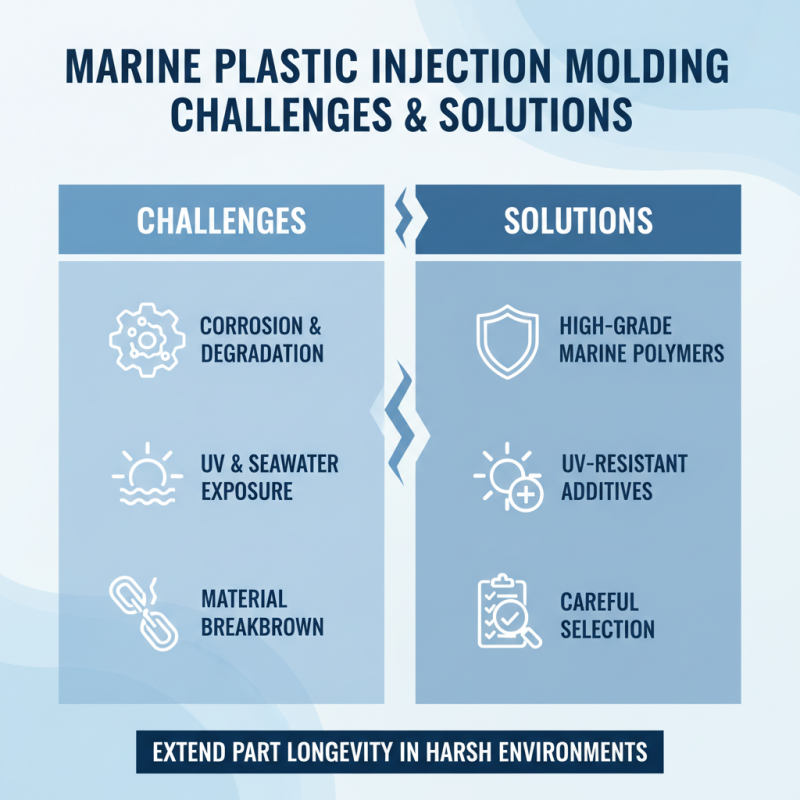
Marine applications often face unique challenges with plastic injection molding. One significant issue is the material’s resistance to corrosion. Seawater can degrade certain plastics over time. It’s vital to choose materials that are specifically designed to withstand harsh marine environments. Using high-quality, UV-resistant additives can extend the longevity of molded parts. However, careful selection can be a complex and time-consuming process.
Another challenge is achieving the right balance between weight and strength. Lightweight components are crucial for performance. Yet, if the materials are too thin or weak, they may fail under stress. Designing prototypes is an essential step. This phase allows for testing and tweaking of thickness and material density. It’s common to find that initial designs need adjustments. Re-evaluating these designs can lead to more effective, durable solutions.
Additionally, ensuring a smooth production process can be tricky. Variability in temperature and humidity levels can affect the molding process. Inconsistent conditions could result in defects. To combat this, maintaining a controlled environment is key. However, it may require frequent monitoring and recalibration. This adds complexity to the workflow but is necessary for quality results. Reflecting on these challenges may uncover areas for improvement in your injection molding practices.