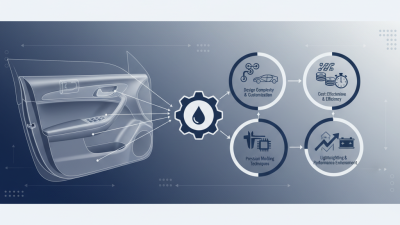
Plastic Injection Molding Automotive Parts are reshaping vehicle design, manufacturing efficiency, and component performance. Modern vehicles use molded polymers in dashboards, door panels, air ducts, battery housings, clips, and structural supports. These parts must survive heat, vibration, chemicals, and repeated impact. Small defects can create large warranty risks.
The U.S. Department of Energy reports that reducing vehicle weight by 10% can improve fuel economy by approximately 6% to 8%. This finding explains why engineers continue replacing selected metal components with engineered plastics. Grand View Research estimates that the global automotive plastics market reached about USD 40 billion in 2023. It also projects continued growth through the next decade. These figures indicate strong demand, but market growth alone does not guarantee reliable parts.
Injection-molding authority John P. Beaumont states, “The mold is the heart of the injection molding process.” His observation remains practical on today’s production floors. A poorly balanced gate can leave visible weld lines near a mounting point. Incorrect cooling may cause warpage around a thin grille frame. These details matter. They affect assembly, appearance, and long-term durability.
This guide examines material selection, mold design, tolerances, surface finish, and quality control for Plastic Injection Molding Automotive Parts. It considers commonly used materials, including PP, ABS, PA, POM, and reinforced polymers. The discussion also recognizes an uncomfortable truth: lower part weight can increase design complexity. Cost savings may disappear when tooling, testing, and recycling requirements are ignored. Good engineering is not perfect at the beginning. It improves through measurement, failure analysis, and honest review.
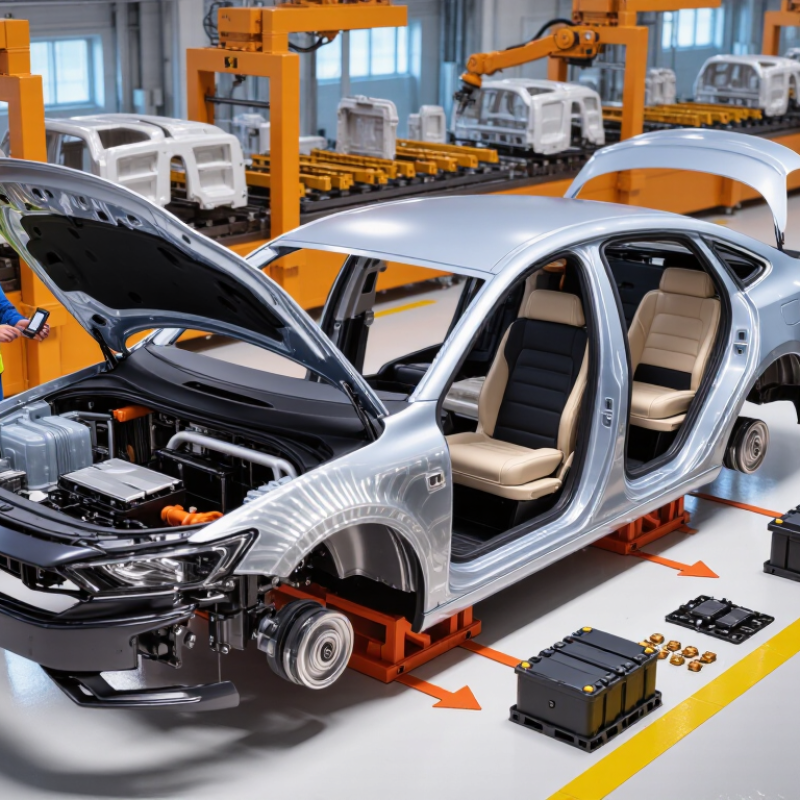
China Best Automotive Plastic Injection Molding Parts?
Types of Automotive Plastic Injection Molding Parts Made in China
Chinese injection molding suppliers produce many parts for vehicle interiors and exteriors. Common examples include dashboard panels, center consoles, door trims, seat components, and instrument bezels. These visible parts require consistent color, smooth surfaces, and accurate assembly points. Small defects can become obvious under direct sunlight.
Functional parts are equally important. Suppliers manufacture air-vent housings, cable guides, clips, sensor covers, fuse-box covers, and lighting housings. Under-hood applications may use heat-resistant materials for fluid reservoirs, fan shrouds, and protective covers. Battery-related enclosures also demand careful control of strength, insulation, and dimensional stability. Material selection should follow the component’s temperature, load, and chemical exposure.
Good production depends on more than molding speed. Experienced teams review wall thickness, draft angles, weld lines, shrinkage, and ejection marks before cutting steel. They also use first-article inspection, coordinate measuring equipment, and production traceability. These practices reduce assembly problems, but they do not remove every risk. A perfect first sample is not guaranteed. Tool adjustments are sometimes necessary after real assembly trials. That step can reveal weak clips, uneven gaps, or distortion that drawings missed. Reliable suppliers document changes and verify each revision before regular production.
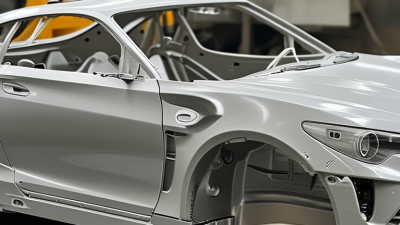
Automotive injection molding depends on heat, impact, chemical resistance, and dimensional stability. Polypropylene suits door panels, consoles, and battery covers because it is light and cost-efficient. Polyamide, often reinforced with glass fiber, supports engine-adjacent brackets and structural housings. It handles higher temperatures, but moisture can change its dimensions. Polybutylene terephthalate offers strong electrical insulation for connectors and sensor components. PC/ABS blends provide impact resistance for instrument panels and interior bezels. Thermoplastic elastomers add soft-touch surfaces and sealing performance.
The U.S. Department of Energy reports that a 10% vehicle weight reduction can improve fuel economy by 6–8%. That makes material selection more than a cosmetic decision. PlasticsEurope’s Plastics—The Fast Facts 2024 places transport applications at roughly 9% of European plastics demand. Recycled polypropylene and polyamide can reduce material impact, but their color, odor, and strength may vary between batches.
That is not enough. A mold trial must confirm flow marks, warpage, weld lines, and long-term heat aging. In practice, material choice is still sometimes based on habit rather than test evidence.
Tips: Match the resin to its real service temperature, not the showroom temperature. Check drying requirements before molding nylon or other moisture-sensitive materials. Use glass fiber carefully; it improves stiffness but can increase warpage and tool wear. Validate recycled content with impact and fatigue testing. Small details matter.
China Best Automotive Plastic Injection Molding Parts?
High-quality automotive plastic parts begin with controlled manufacturing processes. Engineers first review the part design, resin selection, wall thickness, and expected vehicle environment. Mold flow analysis can identify weld lines, air traps, and uneven shrinkage before tooling starts. These checks reduce costly revisions, although simulations cannot predict every production issue.
Injection molding requires stable temperature, pressure, cooling time, and material drying. Skilled technicians monitor these settings through documented process sheets. Automated inspection may measure critical dimensions, while operators check surface defects, flash, sink marks, and short shots. Reliable suppliers should maintain batch traceability and use calibrated gauges. Quality systems aligned with ISO 9001 and IATF 16949 support consistent control, but certification alone does not guarantee excellent parts. Practical experience still matters.
Tips: Confirm resin certificates, mold maintenance records, and inspection reports before approval. Request first-article samples and test them under heat, vibration, and chemical exposure. Review dimensional data, not only appearance. A perfect first run is uncommon. Teams should record deviations honestly and improve the process instead of hiding small defects. This reflection often prevents larger failures after production increases.
| Manufacturing Stage | Main Objective | Key Process Controls | Typical Risks or Defects | Quality Records and Standards |
|---|---|---|---|---|
| 1. Product and Mold Design | Create a moldable part that meets dimensional, functional, appearance, and assembly requirements. | Draft angles, uniform wall thickness, rib and boss design, gate location, cooling layout, shrinkage allowance, mold-flow analysis, tolerance stack-up. | Sink marks, weld lines, air traps, warpage, difficult ejection, excessive residual stress, incomplete filling. | Design review, mold-flow report, drawing revision control, design-for-manufacturing checklist, ISO 20457 for molded-part tolerances. |
| 2. Material Selection | Select a resin that provides the required strength, temperature resistance, chemical resistance, weight, and surface finish. | Material grade approval, lot traceability, moisture control, drying temperature and time, regrind percentage, color and additive verification. | Brittleness, hydrolysis, discoloration, inconsistent shrinkage, poor weld-line strength, contamination. | Material certificate, safety data sheet, certificate of analysis, ISO 1133 melt-mass flow rate testing, ISO 527 tensile testing where applicable. |
| 3. Mold Manufacturing | Build a durable mold capable of producing repeatable parts at the required volume and quality level. | CNC machining, electrical-discharge machining, polishing or texturing, dimensional inspection, cooling-channel verification, mold tryout. | Mold mismatch, flash, poor venting, uneven cooling, premature wear, short mold life. | Mold inspection report, steel and component traceability, trial-run report, preventive-maintenance plan, approved mold-change history. |
| 4. Resin Drying and Preparation | Reduce moisture-related defects before the material enters the injection unit. | Dryer temperature, dew point, drying duration, hopper loading, material identification, first-in/first-out control. | Silver streaks, bubbles, splay, reduced molecular weight, poor mechanical performance. | Drying log, material batch record, moisture verification when required, work instruction, nonconforming-material procedure. |
| 5. Injection Molding | Fill, pack, cool, and eject the part consistently within the approved process window. | Melt temperature, mold temperature, injection speed, filling pressure, holding pressure, screw speed, cooling time, cycle time, cushion, and switchover position. | Short shots, flash, burns, voids, warpage, weld-line weakness, color variation, dimensional drift. | Approved process sheet, first-piece approval, setup checklist, SPC charts, machine-maintenance records, ISO 20457 tolerance review. |
| 6. Secondary Operations | Complete the part through trimming, drilling, heat staking, ultrasonic welding, painting, printing, or assembly. | Tool alignment, energy or temperature settings, fixture control, surface preparation, curing conditions, torque or insertion force. | Poor adhesion, cracks, misalignment, incomplete welds, burrs, cosmetic damage, loose inserts. | Operation-specific work instructions, inspection samples, appearance standard, process capability review, traceability records. |
| 7. Dimensional Inspection | Confirm that critical dimensions, geometric features, and interfaces meet the approved drawing. | Calibrated gauges, coordinate-measuring machine, optical measurement, datum alignment, measurement temperature, sampling plan. | Assembly interference, gaps, leaks, rattles, inconsistent fit, measurement variation. | Dimensional report, gauge calibration record, measurement-system analysis, ISO 17025 calibration evidence where applicable. |
| 8. Functional and Performance Testing | Verify that the part performs reliably under its intended mechanical, thermal, chemical, or environmental conditions. | Load, pressure, leak, temperature-cycle, vibration, impact, chemical-resistance, aging, and assembly tests defined by the product specification. | Cracking, leakage, deformation, loss of stiffness, seal failure, fatigue, discoloration, noise or vibration. | Test plan, calibrated equipment, laboratory report, ISO 527 tensile method, ISO 178 flexural method, ISO 179 impact method where relevant. |
| 9. Visual and Cosmetic Inspection | Control visible defects and ensure consistent appearance across production lots. | Defined lighting, viewing distance, surface reference samples, color measurement, texture comparison, flash and gate inspection. | Flow marks, sink marks, black specks, scratches, weld lines, gloss variation, color mismatch, visible ejector marks. | Approved limit samples, visual inspection standard, color records, defect catalogue, lot-release inspection report. |
| 10. Final Release and Traceability | Release only conforming parts and maintain traceability from material lot to finished shipment. | Batch coding, quantity reconciliation, label verification, packaging inspection, deviation approval, retention of inspection records. | Mixed lots, incorrect labels, damaged packaging, undocumented deviations, incomplete records. | Control plan, inspection report, certificate of conformity, corrective-action record, ISO 9001 quality-management practices, IATF 16949 requirements when contractually applicable. |
| Part Category | Common Resin Families | Typical Performance Requirements | Important Inspection Points |
|---|---|---|---|
| Interior Trim and Decorative Components | Polypropylene, acrylonitrile-butadiene-styrene, polycarbonate blends, thermoplastic elastomers. | Appearance consistency, scratch resistance, dimensional stability, low odor, chemical resistance, secure fit. | Texture, gloss, color, gap and flush, clips, bosses, weld lines, surface defects. |
| Under-Hood and Thermal-Exposure Parts | Polyamide, polybutylene terephthalate, polyphenylene sulfide, heat-stabilized polypropylene. | Heat aging, chemical resistance, dimensional stability, strength retention, vibration resistance. | Moisture conditioning, thermal aging, pressure or leak testing, critical dimensions, weld-line strength. |
| Electrical and Electronic Housings | Polycarbonate, polyamide, polybutylene terephthalate, acrylonitrile-butadiene-styrene blends. | Insulation, flame performance where specified, dimensional accuracy, impact resistance, sealing capability. | Wall thickness, connector alignment, sealing surfaces, flash, dielectric or functional tests where specified. |
| Fluid-Handling and Sealing Components | Polyamide, polyoxymethylene, polypropylene, thermoplastic elastomers, fluoropolymer-based materials where specified. | Leak resistance, pressure performance, chemical compatibility, dimensional stability, fatigue resistance. | Leak test, connector geometry, sealing surface, pressure retention, burrs, cracks, material traceability. |
Selecting reliable Chinese injection molding suppliers matters more than finding the lowest quotation. Automotive plastic parts require stable dimensions, repeatable processing, and documented quality control. Request samples from similar projects, not only attractive showroom pieces. Examine ribs, clips, snap-fits, weld lines, and visible surfaces under normal lighting. Small defects often appear after painting or assembly.
A capable supplier should explain its tooling process clearly. Ask for mold-flow analysis, gate locations, cooling design, steel selection, and expected mold life. Review equipment maintenance records and calibration certificates for CMMs, gauges, and injection machines. Quality systems such as IATF 16949 and ISO 9001 can support consistency, but certificates alone prove little. Traceable material batches, inspection reports, and controlled production records provide stronger evidence. Confirm resin grades and flame-retardant requirements before approving the design.
Communication also deserves a practical test. Send one drawing and observe the response. Does the engineer identify draft angles, uneven wall thickness, or difficult ejection areas? A reliable team raises problems early, even when it risks delaying a quotation. That honesty is valuable. Still, supplier reviews should include an independent factory audit, pilot-run inspection, and a written agreement covering tolerances, packaging, changes, and corrective actions. I once underestimated packaging during transport; polished parts arrived with scratches. The mold was excellent, but the delivery plan was not. Share forecasts carefully, protect technical files, and keep approval samples for future comparison.
Automotive plastic injection molding parts serve many demanding areas. They appear in instrument panels, door trims, air ducts, battery covers, reservoirs, clips, and sensor housings. Each application needs a different balance of strength, weight, appearance, and cost. Interior parts often require low odor and low volatile emissions. Engine-bay components must resist heat, oil, coolant, vibration, and repeated thermal cycles.
Material selection should follow the working environment, not only the drawing. Reinforced engineering plastics can improve stiffness and dimensional stability. Impact-modified materials help clips and housings survive assembly pressure. Flame resistance may be essential near electrical systems. Tight tolerances also matter around sensors, seals, and fasteners. A small warpage error can create noise, leakage, or difficult installation.
Mold design strongly affects final performance. Balanced filling reduces weld lines and uneven shrinkage. Proper cooling helps control cycle time and deformation. Gate marks must stay away from visible surfaces and stress-sensitive areas. During production, operators should check weight, dimensions, appearance, and function through documented inspections. Sample testing alone is not enough. A part may look perfect yet crack after heat aging. In practice, some designs still need revision after tooling trials. That is not failure; it reveals hidden manufacturing risk. Reliable suppliers should provide material records, process controls, inspection data, and traceable batch information for every automotive project.