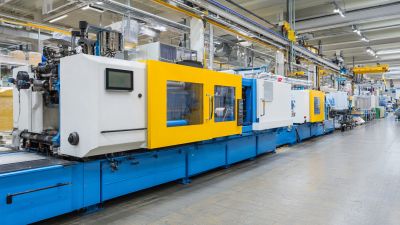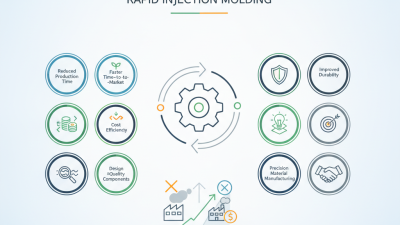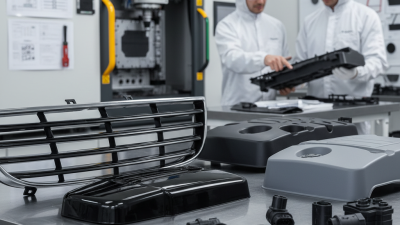
China’s injection molding sector continues to support automotive, medical, electronics, and consumer product manufacturing worldwide. According to PlasticsEurope’s Plastics—The Fast Facts 2023, global plastics production reached about 400.3 million tonnes in 2022. This scale creates strong demand for accurate, manufacturable component design.
The global injection molding machine market was valued at approximately US$15.4 billion in 2023, according to Grand View Research. Its growth reflects rising expectations for repeatability, lightweight structures, and shorter production cycles. Yet a capable supplier offers more than attractive CAD images. The best teams connect Injection Molding Part Design with material selection, draft analysis, wall-thickness control, gate placement, cooling strategy, and tooling feedback.
Small details matter.
A 0.2-millimeter variation can affect assembly, sealing, or surface appearance. Experienced Chinese suppliers often combine design engineering with moldflow simulation, prototype testing, CNC machining, and injection trials. Their value becomes clearer when they explain design risks before tooling begins, rather than hiding problems after sampling. ISO 9001 certification, documented inspection methods, traceable materials, and clear revision control can strengthen supplier reliability. However, certificates alone cannot prove practical competence.
This China Top 10 Injection Molding Part Design Suppliers? guide evaluates companies through engineering experience, communication quality, production capability, quality systems, and customer feedback. It does not treat ranking as absolute. Supplier strengths differ by application, volume, resin, tolerance, and certification requirements. Medical housings need different evidence than automotive clips. A reflective comparison is necessary, because online claims may be incomplete, outdated, or difficult to verify. The selected suppliers should therefore be assessed as potential partners, not simply low-cost vendors.
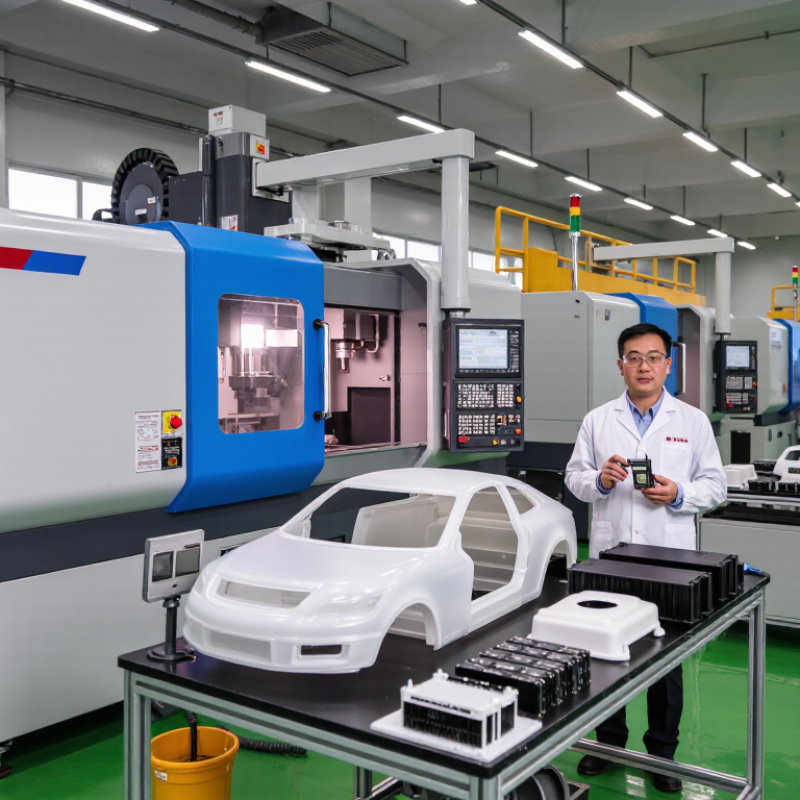
Injection molding part design suppliers provide more than attractive 3D models. They turn product requirements into manufacturable part concepts. Their engineers review wall thickness, draft angles, ribs, bosses, and parting lines. These details affect filling, cooling, ejection, and final appearance.
A capable supplier usually delivers design-for-manufacturing feedback before mold construction begins. This may include 2D drawings, 3D CAD files, tolerance recommendations, material guidance, and mold-flow analysis. They can identify weld lines near visible surfaces or sink marks beneath thick bosses. They may also suggest uniform walls, stronger corner radii, and safer ejection locations. Small changes matter.
Practical suppliers support prototype reviews and controlled revisions. They should explain why a tolerance is necessary, not simply request tighter specifications. Quality planning may include inspection points, sample approval, material certificates, and dimensional reports. Clear records improve communication between designers, mold makers, and production teams. Still, no supplier catches every risk. Complex parts can behave differently after tooling, especially with fiber-filled materials or uneven cooling. Engineers should question assumptions, test critical features, and revise the design when evidence disagrees. That part is easy to underestimate. A reliable partner accepts this uncertainty and documents each decision carefully.

| Rank | Supplier Profile | Primary Design Strength | Typical Parts Designed | CAD/CAE Deliverables | Typical Dimensional Capability | DFM Services | Prototype Support | Typical Tooling Lead Time | Common End Markets |
|---|---|---|---|---|---|---|---|---|---|
| 1 | Supplier Profile 01 | Complex automotive components | Interior trim, bezels, brackets, housings | 3D CAD, 2D drawings, mold-flow reports, revision control | Approximately ±0.02–0.05 mm, depending on geometry and material | Parting-line review, gate design, draft analysis, shrinkage compensation | CNC, SLA, SLS, and sample tooling | 4–8 weeks for standard production tooling | Automotive, transportation, industrial equipment |
| 2 | Supplier Profile 02 | Medical and precision plastic parts | Diagnostic housings, laboratory components, fluidic parts | Parametric CAD, tolerance stack-up, validation drawings | Approximately ±0.01–0.03 mm for selected features | Material selection, venting review, weld-line control, inspection planning | Machined prototypes and low-volume molding | 5–10 weeks, depending on validation requirements | Medical devices, laboratory equipment, healthcare products |
| 3 | Supplier Profile 03 | High-volume consumer product design | Electronic covers, handheld-device parts, decorative panels | Surface modeling, appearance samples, color and texture specifications | Approximately ±0.03–0.08 mm for general features | Cosmetic surface review, texture feasibility, sink-mark and warpage analysis | 3D-printed models, soft tooling, appearance prototypes | 3–6 weeks for small and medium-size molds | Consumer electronics, appliances, personal products |
| 4 | Supplier Profile 04 | Thin-wall and lightweight part design | Packaging components, caps, containers, lightweight housings | Wall-thickness studies, filling simulations, cooling analysis | Approximately ±0.05–0.10 mm for general molded features | Flow-balance analysis, cycle-time review, ejection and cooling design | Rapid prototypes and pilot-run tooling | 3–7 weeks for standard packaging molds | Packaging, food-service products, household goods |
| 5 | Supplier Profile 05 | Insert molding and overmolding | Cable connectors, grips, seals, reinforced structural parts | Assembly models, insert-location drawings, process studies | Approximately ±0.03–0.08 mm, subject to insert accuracy | Insert retention, bonding review, material compatibility, ejection planning | Functional prototypes and small-batch validation | 5–9 weeks for multi-material tooling | Electrical products, industrial controls, consumer hardware |
| 6 | Supplier Profile 06 | Engineering plastics and reinforced polymers | Structural brackets, pump bodies, gears, technical housings | Material database, fiber-orientation studies, tolerance analysis | Approximately ±0.03–0.10 mm, depending on resin and part size | Warp prediction, fiber-orientation review, rib and boss optimization | Machined prototypes and engineering-grade pilot parts | 5–10 weeks for complex technical molds | Industrial machinery, automotive systems, power equipment |
| 7 | Supplier Profile 07 | Large-part and structural molding | Equipment covers, trays, panels, large housings | Large-part CAD, mold-base layouts, cooling and deformation studies | Approximately ±0.08–0.20 mm for large molded components | Warp control, balanced filling, structural rib design, mold deflection review | Full-scale prototypes and trial production | 7–12 weeks for large or multi-slide molds | Appliances, transportation, industrial enclosures |
| 8 | Supplier Profile 08 | Multi-cavity and high-productivity tooling | Caps, closures, small housings, repetitive precision parts | Cavity layouts, runner balancing, cycle-time and maintenance plans | Approximately ±0.02–0.06 mm for selected production features | Cavity balancing, hot-runner planning, cooling optimization, wear analysis | Pilot molds and limited-cavity test tools | 6–12 weeks, depending on cavity count | Packaging, consumer goods, electrical components |
| 9 | Supplier Profile 09 | Low-volume and rapid-turn tooling | Prototype housings, startup products, replacement parts | Simplified CAD, DFM reports, prototype drawings, change tracking | Approximately ±0.05–0.15 mm for prototype-oriented parts | Tool-life planning, mold simplification, rapid gate and ejection review | 3D printing, CNC, urethane casting, aluminum tooling | 2–5 weeks for simple prototype molds | Product development, robotics, research projects |
| 10 | Supplier Profile 10 | Export-oriented project integration | General industrial parts, assemblies, customized housings | English technical documentation, CAD conversion, inspection reports | Approximately ±0.05–0.12 mm for general injection-molded features | Design review, manufacturability feedback, packaging and shipping coordination | Prototype samples, first-article inspection, pilot production | 4–9 weeks for standard export projects | Industrial products, consumer goods, commercial equipment |
How to Evaluate Supplier Capabilities in China
Choosing among China’s top 10 injection molding part design suppliers requires more than comparing hourly rates. Ask for evidence from similar parts, not polished photographs. A capable team should explain draft angles, wall thickness, ribs, sink marks, and assembly risks clearly. Request a design review using your actual 3D file. Watch how engineers question unclear tolerances. Good questions often reveal more than fast promises.
Check the supplier’s engineering workflow. Can they provide DFM feedback, mold-flow analysis, material recommendations, and revision records? Ask who approves changes and how files are controlled. On the factory floor, inspect measurement tools, molding machines, drying equipment, and inspection areas. A reliable supplier should connect each batch to material certificates, process settings, and inspection results. Small details matter, including calibrated gauges and labeled samples. However, equipment lists can mislead. Capability depends on operators, maintenance, and process discipline.
Before signing a production contract, run a controlled prototype or pilot batch. Measure critical dimensions at several points and test fit with mating parts. Record defects by type. Ask for a corrective-action report when results miss targets. Communication speed matters, but technical clarity matters more. English fluency is not proof of competence. Nor is a perfect first sample. Some suppliers may resist sharing bad data; that deserves attention. I would also contact recent customers about late changes, tooling ownership, and support after delivery.
A practical 100-point evaluation model for comparing injection molding part design suppliers. The weighting reflects the main technical, quality, manufacturing, and supply-chain factors used in professional supplier qualification.
Tooling engineering and process capability receive the highest weights because they directly affect part quality, mold performance, dimensional consistency, and production stability. Buyers should verify these areas through technical reviews, sample parts, inspection records, and process documentation rather than relying only on supplier presentations.
China’s Top 10 Injection Molding Part Design Suppliers reflect a manufacturing sector moving toward faster, data-led development. Grand View Research valued the global injection molding machine market at approximately USD 15.79 billion in 2023. It also projects a 4.6% compound annual growth rate from 2024 to 2030. This pressure rewards suppliers that combine CAD design, mold-flow analysis, material selection, and production feedback.
The ten suppliers should be assessed through measurable engineering evidence, not attractive portfolios alone. Strong teams review draft angles, wall thickness, weld lines, sink marks, and ejection risks before tooling begins. They also provide tolerance studies and prototype validation. ISO 9001-based quality systems can improve traceability, although certification alone proves little. The Plastics Industry Association reports that recycled-content demand and material efficiency are reshaping polymer decisions. Designers must therefore consider part performance, recyclability, and regional compliance requirements together.
Practical experience remains important. A reliable supplier will question an uneven 2.2-millimeter wall or a sharp internal corner. That hesitation can prevent expensive mold changes. Some evaluations remain imperfect because supplier data is often self-reported. Buyer audits, sample parts, and documented corrective actions are still necessary. A 2024 Fortune Business Insights report identifies automotive, electronics, medical, and consumer applications as major growth areas for injection molding. Each sector needs different validation depth, surface control, and documentation. Cost matters, but poor design feedback can cost more.
Comparing Chinese injection molding design suppliers requires more than counting machines. Grand View Research estimates the global injection molded plastics market reached about USD 387 billion in 2023. That scale rewards suppliers with strong design-for-manufacturing skills, not only low quotations. Leading teams usually combine CAD modeling, mold-flow simulation, tolerance analysis, and prototype testing. They also compare conventional molding with insert molding, two-shot molding, gas-assisted molding, and micro-molding. Each method changes wall thickness, gate placement, cycle time, and tooling risk.
Industries reveal different priorities. Automotive parts demand impact resistance, repeatability, and strict dimensional control. Medical housings require traceability, clean production areas, and validated processes. Consumer electronics often prioritize thin walls, surface finish, and rapid design changes.
Fortune Business Insights valued the global injection molding machine market at approximately USD 15.94 billion in 2023, showing the scale behind these production decisions.
However, equipment capacity does not prove design competence. Reviewers should inspect sample reports, material recommendations, revision records, and measured first-article results.
Design services can vary sharply among China’s top ten candidates. Some suppliers provide only drawings and mold construction. Others support material selection, DFM reviews, prototype iterations, and production transfer. Ask how engineers handle sink marks around ribs, weld lines near clips, or warpage on large flat panels. Small details matter. A supplier may promise ±0.02 millimeter tolerances, yet overlook assembly behavior after cooling. That assumption is too neat. Buyers should request independent inspection data and clarify who owns design changes, because unclear responsibility can quietly increase cost and delay.
China’s top 10 injection molding part design suppliers should be judged by process evidence, not rankings alone. Select a team that understands DFM, wall thickness, draft angles, shrinkage, and mold-flow risks. According to the 2023 ISO Survey, more than 1.2 million ISO 9001 certificates were valid worldwide. Certification helps, but it does not replace production records.
Request sample designs, dimensional reports, material certificates, and corrective-action records. Ask who owns the mold design and who approves engineering changes. A capable supplier should explain tolerance limits using real inspection data. The supplier should also show how it controls resin drying, mold temperature, cycle time, and batch traceability. Fortune Business Insights estimated the global injection molding machine market at about 11.7 billion dollars in 2023. This growth increases supplier choices, but capability levels remain uneven. A polished presentation can still hide weak process control. That is an easy mistake to make.
Tips: Start with a small paid design review. Ask for a manufacturability report within three working days. Compare two prototype iterations, not only the first sample. Check whether the supplier challenges unnecessary tolerances. Confirm communication in writing, including revision numbers, inspection methods, and acceptance criteria. Do not select the lowest quote before reviewing mold maintenance, sampling plans, and after-sales engineering support. A cheaper tool may become expensive after repeated corrections.