2026 Top Automotive Injection Molding Suppliers
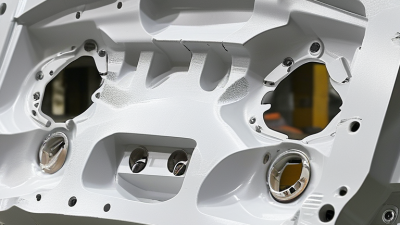
The 2026 automotive market demands lighter vehicles, tighter tolerances, and more dependable production. These demands make supplier selection a technical decision, not a simple price comparison. This guide introduces leading automotive injection molding suppliers through practical manufacturing criteria. It considers tooling capability, material control, automation, quality systems, and production scalability. It also examines how suppliers manage complex parts, including dashboards, battery housings, grilles, connectors, and under-hood components.
Real performance matters.
An experienced supplier should demonstrate repeatable molding results, clear process records, and responsive engineering support. Strong candidates can explain mold-flow analysis, cooling-channel design, dimensional inspection, and defect prevention in understandable terms. They should also provide evidence of automotive quality practices, certified facilities, traceability, and reliable delivery performance. In Injection Molding Automotive projects, small issues can become expensive quickly. A warped panel may interrupt assembly. A weak clip may create warranty concerns. A delayed tool may postpone an entire vehicle program. This overview therefore compares suppliers with a balanced perspective, considering technical expertise, production experience, customer support, and long-term reliability. No supplier is perfect. Some may offer advanced automation but limited flexibility. Others may provide excellent engineering support while carrying higher tooling costs. These trade-offs deserve closer review. The final choice should match the part design, annual volume, material requirements, regional supply needs, and risk tolerance of each automotive manufacturer.
Definition and Role of Automotive Injection Molding Suppliers
Automotive injection molding suppliers convert polymer materials into precise vehicle components. Their work covers mold design, material selection, process control, and production validation. Typical parts include instrument panels, air vents, battery housings, clips, and structural supports. The role is broader than operating a molding machine.
Global vehicle production reached about 93.5 million units in 2023, according to the International Organization of Motor Vehicle Manufacturers. Demand remains technically demanding. Suppliers must manage tight tolerances, surface appearance, weld lines, shrinkage, and cycle time. They also support mold-flow analysis, tooling trials, dimensional inspection, and traceability. IATF 16949-based quality systems often guide these activities. Small process errors can create large assembly problems.
Electrification adds another layer. The International Energy Agency reported nearly 14 million electric car sales in 2023. This growth increases demand for lightweight enclosures, cooling components, and high-voltage protection parts. Materials such as polyamide, polycarbonate blends, and reinforced polymers require careful drying and temperature control. Details matter.
A capable supplier should provide evidence, not only attractive samples. Useful evidence includes capability studies, measured tolerance data, maintenance records, and documented corrective actions. Yet the industry sometimes treats “supplier” as a simple purchasing category. That view is incomplete. A supplier may influence product safety, cost, recyclability, and launch timing. Some parts still need redesign after testing, which reveals an uncomfortable truth: early collaboration is valuable, but initial engineering decisions are not always correct.
2026 Top Automotive Injection Molding Suppliers — Definition and Role
Automotive injection molding suppliers manufacture precision plastic components, develop molds, validate materials, and support quality, tooling, and production requirements for vehicle programs. The chart compares typical melt-processing temperature ranges for widely used automotive thermoplastics, an important capability when selecting a supplier.
Typical melt-processing windows: actual settings vary by resin grade, filler content, mold design, machine configuration, and part geometry.
Key Capabilities of Leading Automotive Injection Molding Companies
2026 Top Automotive Injection Molding Suppliers
Leading automotive injection molding companies prove capability through repeatable production, not attractive equipment lists. They understand resin behavior, cooling balance, shrinkage, and weld-line risk. Experienced teams review part geometry before cutting steel. They use mold-flow analysis to locate air traps and uneven filling. On the shop floor, technicians inspect gate marks, flash, and warpage under controlled lighting. Small details matter. A two-degree temperature drift can change a visible surface.
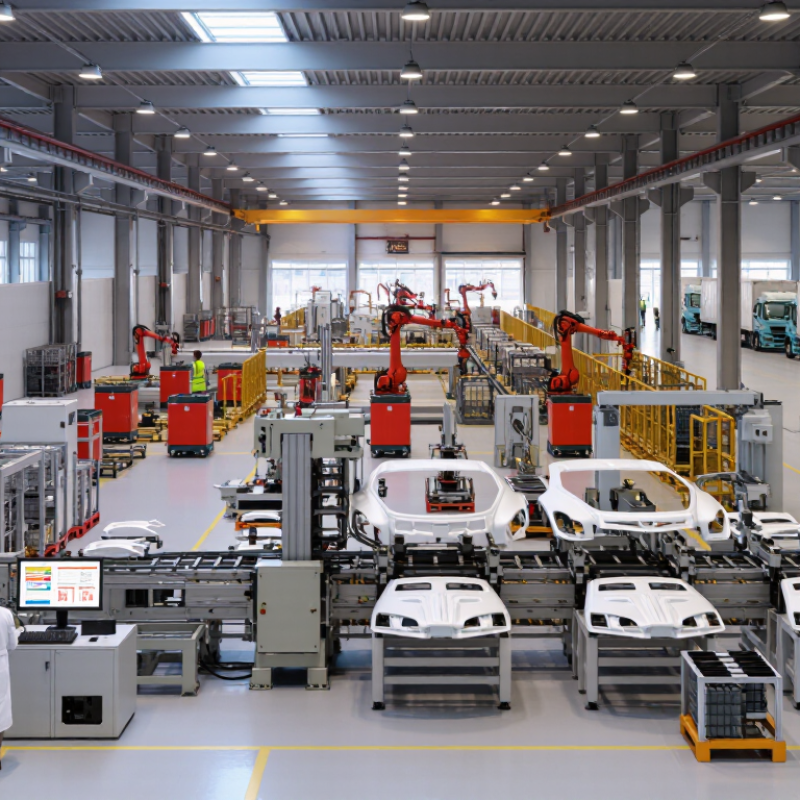
Strong suppliers connect tooling, molding, automation, and quality engineering. Their presses cover suitable tonnage ranges, while robots remove parts without stressing clips or thin ribs. In-line sensors monitor pressure, temperature, and cycle time. Measurement systems verify critical dimensions with calibrated equipment. Traceability links each batch to material records, machine settings, and inspection results. For safety-related components, validation includes dimensional studies, capability analysis, and documented process approval. This discipline reduces surprises during vehicle assembly.
However, no supplier is flawless. Tool repairs, resin variation, and rushed engineering changes still create risk. A reliable partner admits these limits and explains the recovery plan. Ask for production evidence, not polished promises. Review sample reports, maintenance logs, and response times after a defect. Sustainability also requires practical proof, such as lower scrap, efficient cooling, and responsible material handling. The best capability is useful judgment under pressure.
Materials, Technologies, and Production Standards
In 2026, automotive injection molding suppliers are judged beyond unit price. Material selection now connects directly with durability, weight, recyclability, and traceability. Polypropylene suits lightweight interior structures, while engineered polyamides support heat and load near under-hood components. Moisture control matters. Damp resin can create bubbles, weak weld lines, or unstable dimensions. Experienced teams record drying temperature, residence time, and lot information before production.
Modern production depends on controlled process windows, not impressive machinery alone. Sensors monitor cavity pressure, melt temperature, cooling time, and injection speed during each cycle. Scientific molding helps teams connect these readings with part performance. Automated vision systems can detect short shots, flash, sink marks, and surface contamination. Dimensional checks with calibrated gauges and coordinate measuring equipment provide stronger evidence than visual inspection alone. Still, automation can miss a defect hidden inside a rib.
Reliable suppliers maintain documented controls aligned with ISO 9001 and automotive quality practices such as IATF 16949. They validate molds through capability studies, gauge checks, first-article approval, and controlled engineering changes. PPAP-style records clarify material certificates, process risks, and inspection results for every program. Recycled content requires extra discipline, including contamination checks and stable supply records. The weak point is often human judgment. A rushed setup can defeat a well-written procedure. Regular layered audits, operator training, and honest nonconformance reviews keep production decisions evidence-based.
How to Evaluate Automotive Injection Molding Suppliers in 2026
2026 Top Automotive Injection Molding Suppliers
How to Evaluate Automotive Injection Molding Suppliers in 2026
Choosing an automotive injection molding supplier requires more than comparing hourly rates. Request evidence of production experience with similar polymers, part sizes, and tolerance levels. Ask to inspect the molding floor, tool room, and inspection area. A clean facility is useful, but process discipline matters more.
Review capability studies for critical dimensions, not only attractive sample parts. Check mold-flow analysis, cooling design, cycle-time records, and preventive maintenance logs. Confirm material traceability from incoming resin to packed components. Reliable suppliers should explain their APQP, PPAP, and IATF 16949 practices clearly. They should also provide measurement-system studies and corrective-action records.
Test the supplier during a controlled trial. Measure warpage, flash, sink marks, weld lines, and color variation. Ask how operators react when a press temperature drifts. Good answers include alarms, documented reactions, and retained samples. Weak answers often sound polished.
No scorecard is perfect.
Evaluate capacity with real production data, not promises. Review backup equipment, tooling repair response, and delivery performance across difficult months. Digital production records can improve visibility, but incomplete data still creates risk. This deserves honest discussion. Also examine engineering communication, design-for-molding feedback, packaging protection, and change-control procedures. A supplier may offer a low initial quote, yet poor mold maintenance can increase total cost. Schedule a technical audit before approval, and let experienced engineers challenge the assumptions.
Top Supplier Categories and Selection Considerations
Automotive injection molding suppliers in 2026 generally fall into four categories: mold manufacturers, contract injection molders, material specialists, and automation partners. Each serves a different risk point. Mold makers focus on tool life, cooling channels, and repair response. Injection molders manage production consistency, cycle time, and assembly. Material specialists support lightweight, heat-resistant, and recycled-content polymers. Automation partners improve part removal, inspection, and traceability.
The selection process should begin with evidence, not a polished presentation. The IEA reported more than 17 million electric cars were sold globally in 2024. That shift increases demand for battery housings, thermal-management parts, and tight-tolerance connectors. Suppliers should therefore show experience with engineering plastics, mold-flow analysis, and dimensional validation. Ask for process capability data, maintenance records, PPAP experience, and clear change-control procedures. IATF 16949 and ISO 9001 certification can support confidence, but certification alone proves little.
Look closely at the production floor. Are cavity pressures monitored? Are resin lots traceable? Can the supplier explain a rejected part without hiding behind averages? Industry market studies, including Grand View Research’s automotive plastics analysis, continue to project steady growth through the decade. Capacity matters, but resilience matters more. A low quotation may conceal weak tooling support, long spare-part delays, or incomplete testing. I would also challenge forecasts. Demand plans change, and even experienced teams sometimes overestimate launch volumes.