Choosing among the best automotive injection molding companies in China takes more than comparing prices. A capable supplier should understand material selection, mold design, process control, and the demands of repeat production. A molded connector housing, dashboard trim piece, or under-hood component may look simple, but each needs suitable tolerances and stable quality. For buyers researching Injection Molding Automotive suppliers, clear evidence matters more than polished claims. Review equipment, quality procedures, relevant project experience, and communication practices. No supplier fits every program.
This guide introduces practical ways to assess Chinese manufacturers and build a shortlist. It focuses on capabilities buyers can verify, including tooling support, engineering collaboration, production capacity, and inspection methods. Ask for sample parts, material details, and examples of documented quality checks. Confirm how the company handles design changes, production schedules, and issues found during inspection. A precise quotation helps, too. It should explain tooling assumptions, part specifications, and expected lead times. Small omissions can become costly misunderstandings. Still, even a careful review cannot predict every production challenge. Requesting a technical discussion and checking details directly can reveal gaps before a project moves forward.
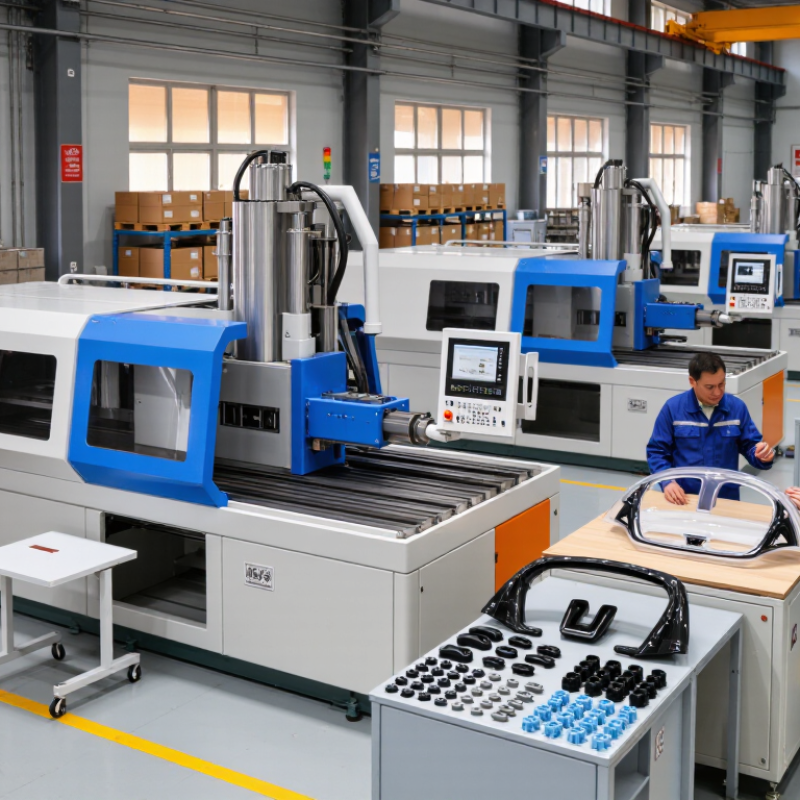
China’s automotive market reached a major production scale in 2024. The China Association of Automobile Manufacturers reported 31.282 million vehicles built that year. This figure points to substantial demand across the supply chain, including automotive injection molding. Molded parts can include dashboards, air ducts, connector housings, clips, and protective covers. They may look simple. Their fit and finish still matter.
At high production volumes, small defects can spread quickly. Flash along an edge, a warped housing, or inconsistent color may disrupt assembly. Buyers should examine a supplier’s tooling controls, material records, dimensional checks, and mold maintenance process. Ask to review trial parts, not only polished samples. A sample does not prove stable production. Capacity figures can also look convincing on paper, yet reveal little about peak-season delivery or design changes. CAAM’s production total describes the national vehicle industry, not the capacity of any individual molding supplier. That distinction is easy to miss.
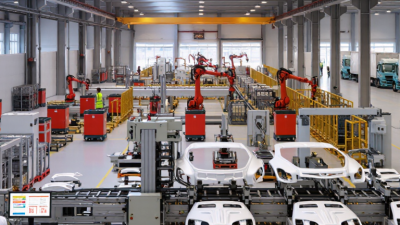
China produced 12.888 million new energy vehicles in 2024, a scale that places sustained pressure on component makers. The reported figure is more than a production milestone; it signals a rapidly expanding manufacturing ecosystem. For injection molding companies, that growth means demand for accurate, repeatable parts. It also means tighter expectations for delivery and quality.
Molded components can include dashboard panels, air ducts, charging-port covers, and protective housings for electrical systems. Their details matter. Thin walls, snap-fit joints, and smooth surfaces must work together without warping or rattling. Small parts matter. Suppliers need suitable material knowledge, controlled mold temperatures, and inspection records that catch defects early.
A capable automotive molder should explain how it validates a tool, checks dimensions, and manages changes between production runs. Buyers can ask for sample parts and measurable test results, not just confident promises. Still, the production figure alone does not prove that every supplier is ready for NEV requirements. Growth can expose weak process controls, and a rushed mold trial may miss problems that appear after thousands of cycles. Careful evaluation remains essential.
Automotive injection-molded parts range from dashboard panels and air ducts to clips, electrical connectors, and battery-system covers. Each needs a resin matched to heat, impact, chemical exposure, and dimensional stability. Polypropylene suits many trim and duct applications; PC/ABS can serve tougher interior housings, while PA and PBT are common choices for demanding under-hood or electrical components. The U.S. Department of Energy reports that a 10% reduction in vehicle weight can improve fuel economy by 6–8%. Lightweighting matters, but thinner walls can create filling, warpage, and durability problems. Fit matters.
Tooling decisions shape part quality before production begins. Gate position, cooling-channel layout, venting, and steel selection affect cycle time and visible defects. For a large instrument panel, uneven cooling may leave sink marks near thick ribs; mold-flow analysis can flag risks, though it cannot replace a production trial. The International Energy Agency’s Global EV Outlook 2024 reports nearly 14 million electric-car sales in 2023, about 18% of global car sales. That shift increases demand for carefully specified electrical housings and thermal-management parts, not simply more plastic. Production plans should define dimensional checks, resin-lot traceability, process monitoring, and validation across temperature ranges. Small details matter. Teams sometimes overfocus on the quoted mold price; maintenance access and repeatable cycle times deserve equal scrutiny.
A comparison of typical densities for common unfilled thermoplastics used in automotive injection-molded parts.
Typical applications include interior trim and housings (PP, ABS), electrical connectors and under-hood components (PA6, PBT), and transparent lenses or covers (PC). Values are representative; density varies by grade and formulation, and reinforcements such as glass fiber increase it.
For an automotive injection-molding supplier in China, IATF 16949:2016 certification is a starting point, not proof that every part will remain stable. OICA reported that China produced about 30.16 million vehicles in 2023. That scale makes repeatable molding and reliable change control especially important. Buyers should check the certificate’s scope and site address, then review how the supplier manages tooling changes, resin lots, and nonconforming parts.
PPAP should connect documents to the actual production line. Review the process flow, PFMEA, control plan, dimensional results, material records, and measurement-system evidence together. A polished submission can still hide gaps. Check whether the approved sample came from production-intent tooling, operators, materials, and cycle settings. Ask for evidence that cavity-to-cavity variation was assessed, not just an average measurement.
Process validation should challenge realistic operating limits. Confirm resin drying conditions, mold temperature, injection pressure, cooling time, and start-up controls with recorded results. Look for capability data on critical dimensions, plus a clear response when readings drift. Short runs are useful, but they may miss variation across shifts or material batches. No checklist catches everything. A practical audit should follow one molded component from incoming resin to packed shipment, and verify that records match the machine, tool, and lot actually used.
Comparing Chinese automotive injection molders requires more than counting presses. The China Association of Automobile Manufacturers reported 31.282 million vehicles produced in China in 2024, with sales reaching 31.436 million. OICA’s 2024 production data also puts Chinese output at about 31.28 million vehicles, roughly one-third of global production. This scale signals a substantial manufacturing base, but it does not prove that any supplier can maintain tight tolerances on your specific parts.
Ask for machine capacity by clamp force and shot size, then compare it with your part geometry and resin. Request verified cycle times, cavity counts, scrap rates, and monthly output from similar programs. A large press on a capability sheet proves little. Not quite enough. Quality evidence should include current IATF 16949 certification, control plans, traceability records, and dimensional inspection results. For OEM experience, examine launch histories, engineering-change response times, and references for comparable materials and production volumes. CAAM and OICA figures describe the market, not individual suppliers. I would verify capacity claims with a site visit and production trial; maintenance downtime can make a stated monthly capacity look better than it is.
Supplier-specific figures are not shown because they require verification from each manufacturer. Use this comparison checklist to request comparable, documented data without relying on unverified rankings or claims.
| Comparison Dimension | Capacity Data to Compare | Quality Data to Compare | Automotive OEM Experience to Verify | Evidence to Request |
|---|---|---|---|---|
| Injection molding equipment | Machine count; clamping-force range in tonnes; maximum shot weight; available machine time for the proposed program. | Process monitoring, machine maintenance records, and calibration status for relevant measuring equipment. | Experience producing comparable part sizes, resin types, and production volumes for automotive programs. | Current equipment list, machine specifications, production schedule, and a recent facility audit. |
| Tooling and part complexity | Maximum mold dimensions and weight; in-house tooling resources; mold maintenance and repair capacity. | Mold validation plan, dimensional inspection capability, and documented engineering-change control. | Completed projects involving relevant features, such as inserts, overmolding, or tight-tolerance components, if applicable. | Tooling capability statement, sample inspection reports, and anonymized project examples. |
| Automotive quality system | Available production and inspection resources for the proposed launch and ongoing demand. | Check whether the manufacturing site holds a current IATF 16949 certificate; ISO 9001 certification alone is not equivalent to IATF 16949 certification. | Confirm that the certified site and scope cover the relevant manufacturing activity and proposed production location. | Valid certificate, certification scope, issuing body details, and site-level audit documentation. |
| Program launch and production approval | Available launch-team capacity, trial scheduling, and planned ramp-up output. | Documented use of applicable automotive quality tools, such as APQP and PPAP, when required by the customer. | History of supporting automotive production launches and customer approval processes for comparable components. | Anonymized launch timeline, sample control plan, and redacted production-approval documentation. |
| Traceability and process control | Production shifts, line availability, and capacity for lot identification and record retrieval. | Lot-level traceability, material-batch records, nonconformance handling, and corrective-action process. | Ability to meet the traceability, retention, and escalation requirements specified by the prospective customer. | Redacted traceability exercise, sample batch records, and corrective-action examples. |
| Materials and regulatory support | Material handling, drying, storage, and segregation capabilities for the specified resin grades. | Material certificates, incoming inspection controls, and change notification procedures. | Experience managing customer-specific substance, documentation, and material approval requirements. | Material data sheets, batch certificates, and documented compliance records relevant to the project. |
| Customer references and delivery performance | Committed capacity for the requested forecast, including contingency arrangements for equipment downtime. | Request customer-approved quality and delivery metrics with the measurement period and calculation method stated. | Verify relevant automotive program experience through references or redacted records; customer names may remain confidential. | Reference checks, redacted scorecards, and a clearly defined capacity and delivery plan. |
Compare suppliers using the same part specification, forecast, quality requirements, and requested evidence. Certification and customer experience should be verified for the specific production site rather than inferred from general marketing claims.