2026 Top Plastic Injection Molding Automotive Parts Suppliers
Plastic Injection Molding Automotive Parts are easy to overlook until a door panel rattles, a dashboard shows a sink mark, or a clip fails during assembly. Those small details carry real weight. A supplier must balance part geometry, resin selection, tooling, cycle time, and consistent quality—not just produce a low quotation. For buyers comparing the 2026 market, the strongest partners are those who can explain these trade-offs clearly and support them with measurable process controls.
The scale is substantial. The International Organization of Motor Vehicle Manufacturers (OICA) reported approximately 92.5 million vehicles produced worldwide in 2024. That volume makes dependable production capacity important. The U.S. Department of Energy’s vehicle lightweighting guidance also notes that a 10% reduction in vehicle weight can improve fuel economy by about 6–8%. Plastic components can contribute to that goal, though results depend on the part, material, and vehicle design. Lightweighting is not a magic fix.
Manufacturing discipline matters, too. Toyota production pioneer Taiichi Ohno is widely credited with the principle, “Where there is no standard, there can be no kaizen.” It is a useful lens for evaluating suppliers: ask how they manage mold trials, dimensional checks, and process changes. A polished brochure helps, but it cannot replace production evidence. This guide compares leading suppliers through capabilities, automotive experience, quality systems, and practical fit. The ranking still has limits; supplier performance can vary by plant, program, and region. Small details matter.
Role of Plastic Injection Molding in Automotive Manufacturing
2026 Top Plastic Injection Molding Automotive Parts Suppliers
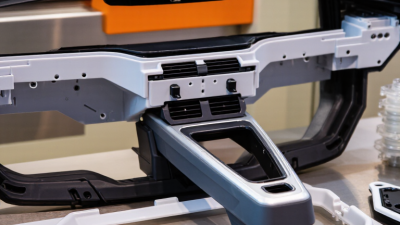
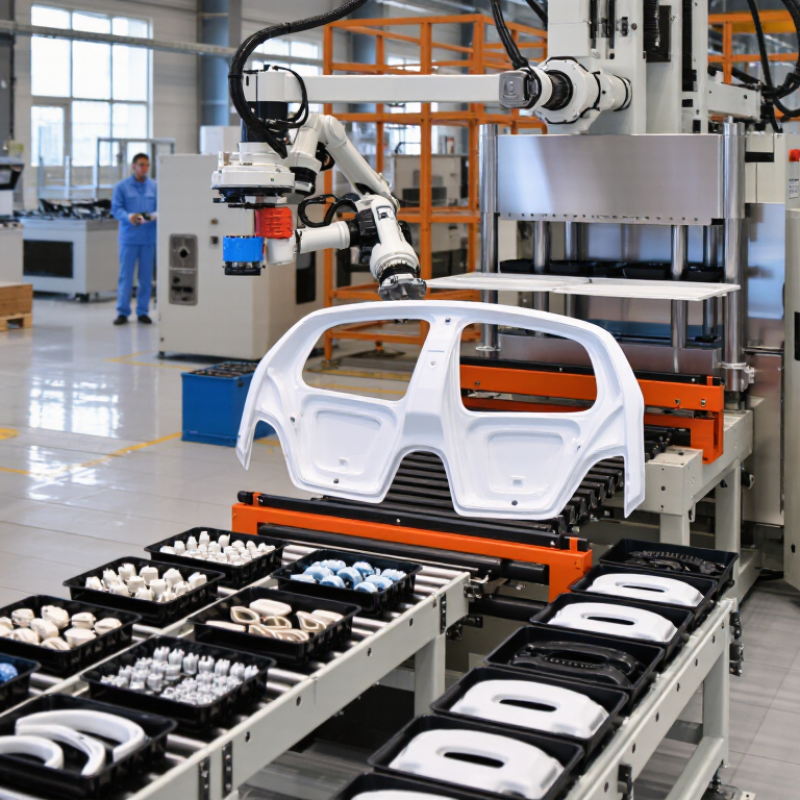
Plastic injection molding helps automakers produce lightweight, detailed parts at scale. A single molded component can combine clips, ribs, and mounting points, reducing separate fasteners and assembly steps. Common applications include dashboard structures, door panels, air ducts, and electrical housings.
The U.S. Department of Energy’s guidance on lightweight materials reports that a 10% reduction in vehicle weight can improve fuel economy by 6–8%.
Molded plastics can support that goal, though the result depends on the part design and material. Not automatically.
In production, a mold’s cooling channels and gate locations affect cycle time, surface finish, and dimensional consistency. Engineers must also consider heat, vibration, chemical exposure, and repeated loading. For electric vehicles, molded housings and cable-management parts can help organize compact assemblies, but they still need careful thermal and impact testing.
Small details matter. Thin walls may save material, yet uneven cooling can cause warping; adding ribs can improve stiffness, but excessive ribs may create sink marks.
The process is powerful, not effortless. Good suppliers validate parts with tooling trials and real-world tests, rather than relying on a clean CAD model alone.
Key Automotive Parts, Materials, and Molding Processes
Automotive injection-molded parts range from dashboard carriers and door trims to air ducts, electrical connectors, and battery-module components. Each part faces different heat, impact, vibration, and surface requirements. Polypropylene suits many interior trim applications because it is light and readily molded. ABS and PC/ABS blends can provide a tougher, more finished surface, while glass-fiber-reinforced polyamide is used where stiffness and heat resistance matter. The U.S. Department of Energy’s Vehicle Technologies Office reports that a 10% reduction in vehicle weight can improve fuel economy by 6–8%. That is a useful target, not a universal design rule: thinner walls can also increase warpage or reduce durability.
Process choice shapes both part performance and production consistency. Conventional injection molding works well for repeatable trim and housing components. Insert molding can integrate metal terminals into connectors, while overmolding adds a softer grip or seal to a rigid substrate. Small details matter. Gate position, cooling time, and rib thickness affect sink marks, fit, and cycle time. The International Energy Agency’s Global EV Outlook 2024 reports nearly 14 million electric-car sales in 2023, about 18% of global car sales. This shift increases demand for carefully engineered electrical and battery-related components, though not every such part is plastic. A supplier’s material data and process validation deserve close review; a polished sample alone is not enough.
Criteria for Evaluating Automotive Parts Suppliers
A capable automotive injection molding supplier should demonstrate stable process control, not just polished sample parts. Ask for cavity-to-cavity dimensional data, molding parameter records, and recent defect trends. A dashboard is useful, but raw measurements reveal more. Check how the supplier handles resin drying, lot identification, and color changes; small gaps here can create visible defects or inconsistent performance.
Review the quality system alongside actual production evidence. Request control plans, inspection methods, and examples of corrective actions for issues such as short shots, flash, or warpage. Strong suppliers explain how they contain suspect parts and verify a fix across multiple production runs. Their answers should be specific. Vague promises are a warning sign. Also examine tool maintenance records, spare-part planning, and the condition of mold surfaces; a worn vent can quietly affect cycle consistency.
Capacity deserves a closer look than a machine list. Confirm that press size, clamping force, automation, and available shifts match the part’s geometry and forecast. Visit the production area if possible. Observe material handling, operator checks, and changeover discipline. A neat factory tour can still miss everyday problems, so compare what you see with dated records and customer-quality data. No supplier is flawless; candid discussion of limits often tells more than a perfect presentation.
2026 Top Plastic Injection Molding Automotive Parts Suppliers
Criteria for Evaluating Automotive Parts Suppliers
Suggested evaluation weighting for comparing suppliers: prioritize quality systems and process control, followed by product quality, engineering validation, and delivery capability. These are proposed scoring weights, not survey results or ratings of specific companies. Verify certifications, PPAP documentation, performance records, and capacity directly with each supplier.
Leading Automotive Injection Molding Suppliers in 2026
Leading Automotive Injection Molding Suppliers in 2026
Choosing an automotive injection molding supplier takes more than comparing quoted prices. Start with the parts your program actually needs: air ducts, interior clips, electrical housings, or under-hood covers. Ask how the supplier controls resin batches, mold wear, and dimensional variation. Request sample inspection records, not just a capability sheet. Small details matter. A clip that fits poorly can slow assembly, even when the molded part looks clean.
A capable supplier should explain design-for-manufacturing changes clearly, including their effect on tooling, cycle time, and part performance. Check whether process settings and quality results are documented across production runs. Ask how mold maintenance is planned and how production issues reach your engineering team. No scorecard catches everything. A polished audit may still miss a weak handoff between tooling and production, so discuss a real project scenario before making a decision.
Tips: Bring a drawing, material requirements, and expected production volumes to early discussions. Ask for examples of inspection methods and change-control records. Compare responses, not promises. If a detail remains unclear, pause and ask again; that small delay may prevent a larger problem later.
Supplier Capabilities, Regional Reach, and Industry Trends
2026 Top Plastic Injection Molding Automotive Parts Suppliers
Supplier Capabilities, Regional Reach, and Industry Trends
Automotive suppliers are judged by more than press size or quoted price. Their teams must manage resin selection, mold design, dimensional checks, and repeatable production. Ask how they track defects across shifts, not only how they describe quality systems. A sample part should fit the assembly and withstand realistic handling. Small details matter.
Regional reach affects lead times, shipping costs, and communication. A nearby plant can simplify mold trials and engineering changes, while a broader production network may offer backup capacity. Distance still counts. Buyers should confirm where tooling, production, and secondary operations actually happen. A supplier’s map can look impressive, but the working arrangement may be less straightforward.
Industry demand is also shifting toward lighter components, recycled-content materials, and more connected production data. These options can support design goals, yet each brings trade-offs in appearance, strength, or processing stability. Not always. Teams should test materials in representative conditions and review change-control practices before scaling output. One weak point remains: forecasts change, and supplier capacity plans can lag behind them. Regular reviews help expose that gap early.